Deep guide available
The paternal role
Side-by-side doing, small adventures, shared rules, practical competence and the kind of ritual that can happen in twenty minutes before dinner.
Open the field notes → An AUsome LifeBeautiful. Useful. Lived in.
Family roles · field notes
A practical place for fathers, mothers, siblings, grandparents, co-parents, caregivers and the people who show up in ways that do not fit neatly on a form.
We use familiar role words because people search for them and sometimes recognize themselves in them. They are not assignments by gender, biology or household structure. Take the parts that sound like you. Leave the rest.
Start with the paternal field notes →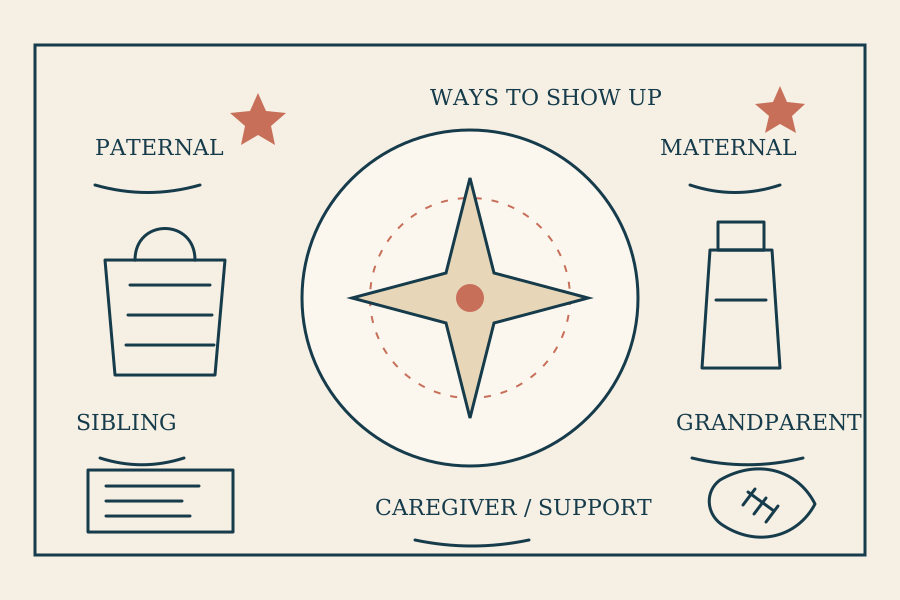
The family shelf
Deep guide available
Side-by-side doing, small adventures, shared rules, practical competence and the kind of ritual that can happen in twenty minutes before dinner.
Open the field notes →Family-role notes
Keeping relationship and pleasure visible even when a lot of coordination exists. A favorite drink, a short outing, a ritual at home, a clear handoff so one person is not the whole family operating system.
Family-role notes
Real siblinghood without automatically turning a brother or sister into a junior caregiver. Shared jokes and traditions can matter; so can privacy, separate plans and the right to say no.
Family-role notes
One dependable ritual beats a heroic all-day plan. Learn the communication basics, ask what support helps, keep the welcome warm and the schedule realistic.
Family-role notes
Good handoffs are household infrastructure, not scorekeeping. Divide by strengths, make the invisible tasks visible and protect a little space where you are partners rather than shift managers.
Family-role notes
Learn the person, not just the plan. Speak to them directly, follow established communication and safety supports, and join the activity without making the whole afternoon feel clinical.
Common ground
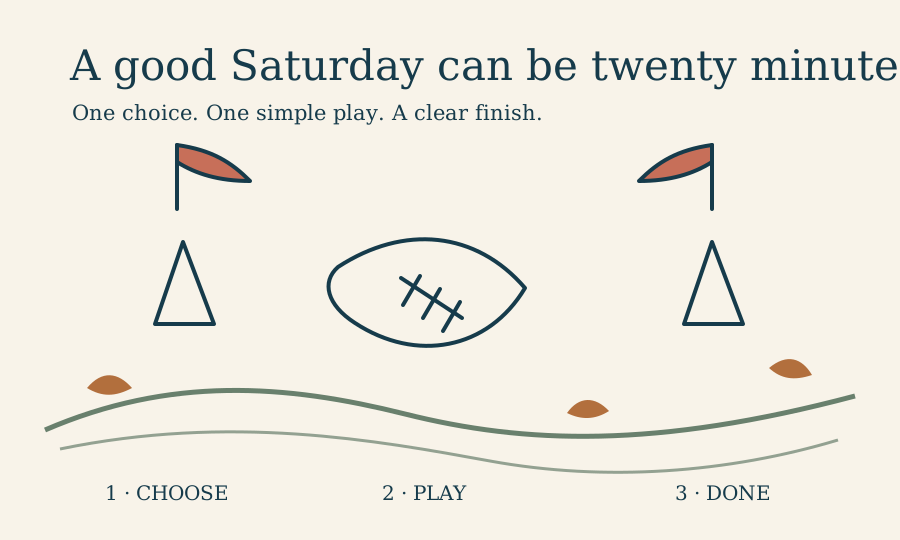
Michael’s idea, fully built out
What makes this page different is that it is not a list of “activities for autism.” It is a list of ordinary rituals—with the practical adaptations left in so more families can actually use them.
The goal is not to recreate somebody else’s picture of fatherhood. It is to make space for the feeling behind it: teaching a rule, throwing a ball, washing the car, stopping for breakfast, fixing one small thing, sharing a favorite place, having a ritual that belongs to the relationship.
The same idea, across the household
Pick one ritual that is not logistics: a ten-minute coffee-and-music reset, a walk, a favorite shop, a manicure at home, reading side by side, one easy meal made together.
Create one thing that belongs to the siblings: a playlist, a snack run, a pool ritual, a recurring show, a private joke, a short errand. Participation should stay voluntary.
Choose repeatable over impressive: the same diner booth, same short walk, same photo album, same store, same simple Saturday snack. Predictability can become tradition.
Trade one whole responsibility rather than “helping” with pieces of it: Saturday breakfast, the pool bag, school paperwork, the pharmacy run, bedtime setup, or outing prep.
Have a relationship lane that is yours: swimming, walks, music, cooking, basketball, library time. Support the person’s own choices inside it.
Keep one plan short enough that everyone can imagine doing it again. A family identity can be built from tiny rituals repeated over time.
Useful, not performative
For more on communication, see multimodal communication. For age-respectful family life with high support needs, see Profoundly Awesome.
Make it yours
Copy this into an AI tool and replace the brackets. The prompt is deliberately practical: it asks for ordinary family life, not a therapy session disguised as fun.
Create 12 easy, age-respectful shared rituals for a person in the [paternal / maternal / sibling / grandparent / co-parent / caregiver] role and a [age]-year-old who communicates using [methods] and enjoys [interests].

Each idea must:
• take 10–45 minutes;
• use ordinary places or things we already have when possible;
• include a simpler version and a graceful exit;
• describe any useful visual, communication or sensory support without making the activity feel clinical;
• avoid reward charts, forced eye contact, infantilizing language and pressure to perform;
• include one optional product only when it genuinely makes the activity easier;
• end with what “success” could look like other than skill mastery.

Tone: warm, practical, classic New England field notes—not therapy copy.