






An AUsome LifeThe good New England life, at our own pace.
Explore all
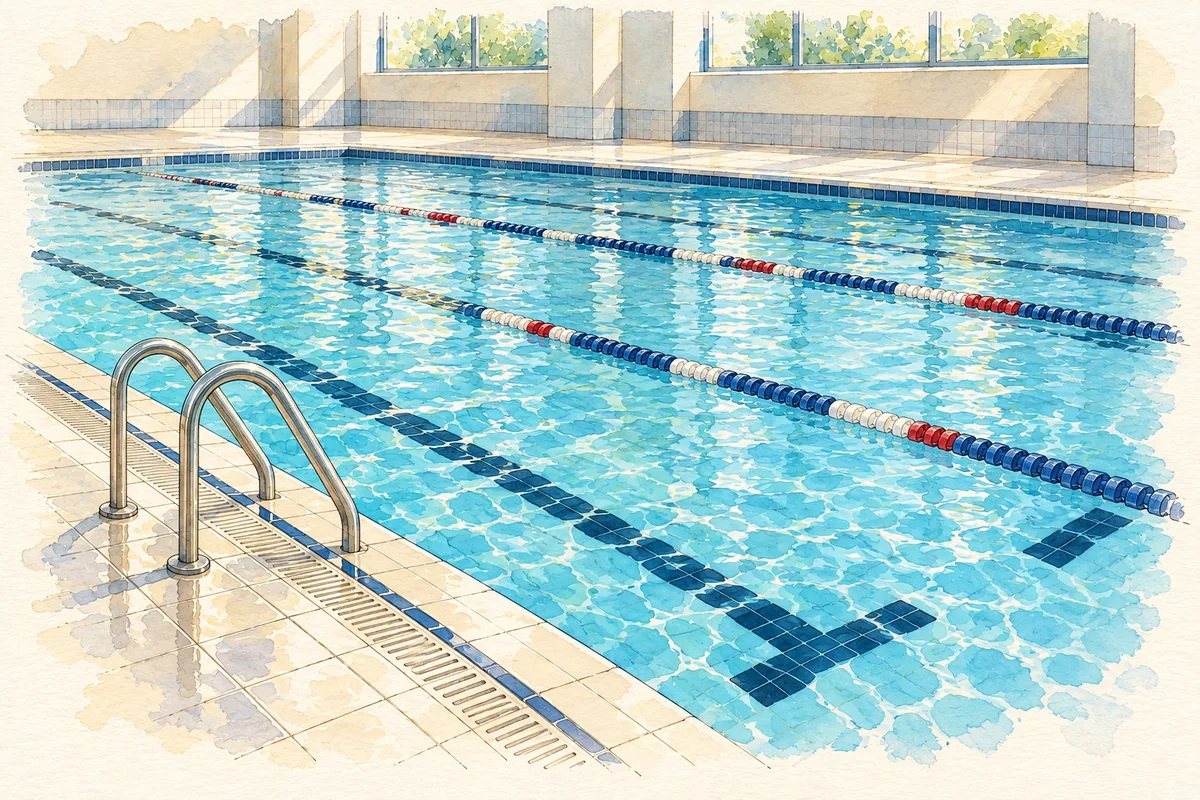
Original watercolor illustration of an indoor swimming pool; a general scene, not a specific venue.
A little time in the water. Original editorial illustration; a general swimming scene.

Swimming · Older-teen life · The practical details left in

A good swim, from the first towel to the last dry sock.

A practical, age-respectful pool plan for older teens: arrival, changing, communication, water supervision and an easier way home.

In this guide

Start with what matters

Before the first splash.

A pool’s photograph cannot tell you whether Tuesday afternoon will work. Before committing to a session, ask the venue about the actual time and facilities you need.

A familiar towel is lovely. An answer about the changing space is useful. Give both a place in the plan.

The lovely part deserves a little preparation. For an older teen, that means a plan that respects their age, leaves their communication within reach, and makes the changing room and journey home as considered as the swim itself. Start with the person’s preferences and support needs. The length of the visit can follow.
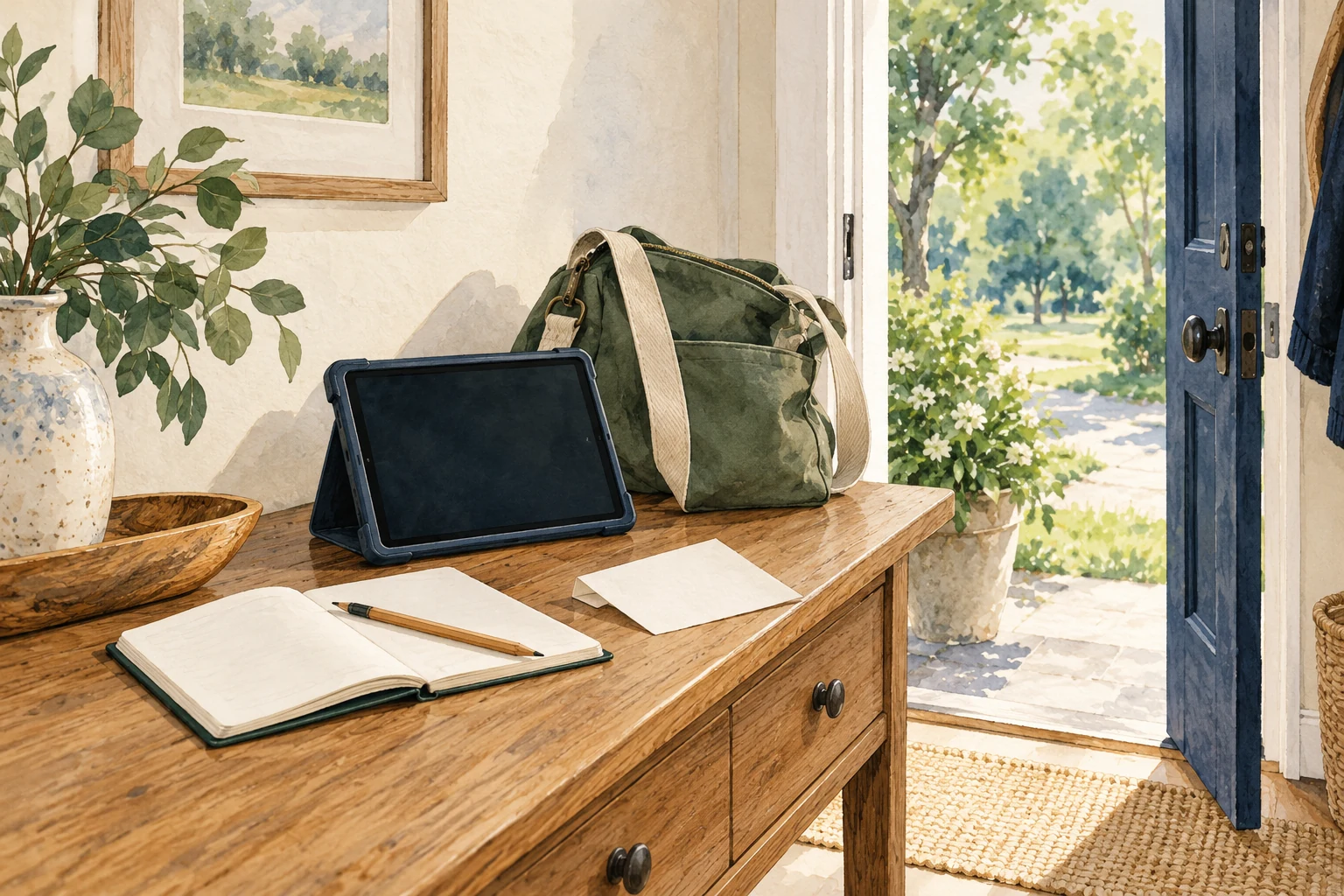
An original illustration of a blank-screen communication tablet, notebook and day bag by a door.
A real choice, all the way through.

Room for the person

A real choice, all the way through.

Preview the sequence in the form the teen already uses: a spoken plan, written words, their usual AAC, real photographs or a simple combination. For example: arrive, change, swim, dry clothes, home. Keep the ending changeable. A picture plan should help someone understand the visit, rather than oblige them to finish it.

Agree active water supervision before arrival. Lifeguards, lessons and flotation aids do not replace the individual support a swimmer needs.

The length of the visit can follow the person.

The details left in

The useful part, in full.

Open just what you need.
Ask the pool six useful questions.
  1. Which session? Confirm open swim, reservations, age rules, support-person admission and whether lessons or events share the water.
  2. Which entrance? Ask where to park or be dropped off and how to reach reception without a long detour.
  3. Which changing space? Describe the facilities needed, such as a private or accessible changing room, a bench, a hoist or an adult-sized changing table. Ask what is available, whether it needs booking and who can accompany the swimmer.
  4. How do we enter the water? Check steps, handrails, ramps or a pool lift if relevant. Confirm equipment is working and what assistance staff can provide.
  5. What will it feel like? Ask about water temperature, music, whistles, hand dryers and the scheduled activity. A “quiet session” label does not describe every person’s experience.
  6. Where can we pause? Identify somewhere away from the pool edge to take a break, then the route back to dry clothes and the exit.

A short call can do the work.

“We’re considering open swim on [day/time]. We need [specific changing or entry arrangement] and a support person alongside the swimmer. Is that possible in that session, and is anything scheduled that would change the usual pool or changing-room setup?”

Share only the information needed to arrange the visit. A diagnosis is not a substitute for describing the feature that matters.

Find adaptive swim instruction.

Swim Angelfish is one of the programs we support. It offers adaptive swim lessons and aquatic therapy in Massachusetts, Connecticut and New Hampshire. Ask about the specific swimmer, pool and service before booking. Lessons are paid; its funding page explains separate eligibility and availability.

Start an intake request ↗ · Check funding options ↗ · Find free adaptive programs →

Pack for the moment after the water.

The swim bag earns its keep when the towel is easy to find and the dry socks are still dry. Use what is already familiar; a new pool need not come with an entirely new kit.

  • Swimwear that fits comfortably, plus any usual swim equipment
  • A towel or robe, and a full dry change including underwear and socks
  • Suitable footwear for the venue and the journey home
  • Water, and a familiar snack for a permitted eating area
  • A separate bag for wet items, to empty promptly at home
  • Booking details, locker requirements and the person’s usual care or emergency supplies in their established arrangements
  • Familiar communication, with a safe dry place that remains usable when needed

Check the manufacturer’s instructions before taking any device near water. A generic “waterproof” pouch is not a guarantee. If the regular device cannot be used poolside, agree on a familiar, accessible backup before going, including a way to say stop, help, break, more and finished. Ask the person which words or choices they want available.

The full pool-bag list includes per-person quantities and a five-minute reset →

Begin with one clear invitation.

Offer a meaningful choice within the safe options available: enter now or watch first; move in the shallow area or take a break; continue or finish. Give enough time for a response. Use the person’s familiar signals and established support arrangements, and take refusal seriously.

The essential part

Agree on water supervision before arriving.

Choose a designated swimming area with lifeguards where possible, swim with a buddy, and clearly assign active supervision for a swimmer who needs it. A lifeguard, lessons or a flotation aid does not replace the support the individual requires. The Red Cross advises staying within arm’s reach of weak or inexperienced swimmers and using an appropriate U.S. Coast Guard-approved life jacket where indicated.

Follow the venue’s rules and the person’s existing safety plan. Make every handoff explicit: the next responsible adult confirms they are taking over. Keep phones and other distractions out of supervision. Ask a qualified swim professional for advice about an individual’s water skills or adaptive instruction.

Read the Red Cross swimming safety guidance and CDC drowning prevention guidance. Checked October 3, 2026.

Keep pool and open-water plans separate. Currents, changing weather, submerged obstacles and limited visibility introduce different hazards in lakes and at the beach. A comfortable pool visit does not establish readiness for those conditions.

Give the last ten minutes some thought.

Decide where the towel will be, who can help with changing, and which dry clothes should be reached first. If a shower is optional under the venue’s rules, decide in advance whether it belongs in today’s plan. Keep the route through the changing room as simple as practical.

Offer a familiar cue before finishing when that helps, while keeping an immediate exit available if needed. Put the snack or next activity where it is allowed and easy to reach. Leaving early can simply mean the visit has reached its natural end.

At home, open the wet bag, hang or wash the kit according to its care labels, and replace what was used. Record one useful detail for next time: which session worked, what to pack differently or which part the teen would choose again. That small note is worth more than a perfect-looking itinerary.

Planning suggestions to adapt to the person and the day. Recheck dated source information when a detail may have changed. Original editorial illustrations are decorative, not evidence about an actual venue, person or product.

Use the optional checklist

Make it work for your day

Your next swim

Choose a moment in the visit. Keep the individual safety plan and familiar communication alongside these prompts.

01 · Before arriving

0 of 3 prompts checked

Checks stay on this page only. Read the complete instructions.

02 · At the water

0 of 3 prompts checked

Checks stay on this page only. Read the complete instructions.

03 · Dry clothes & home

0 of 3 prompts checked

Checks stay on this page only. Read the complete instructions.

More places to explore