





An AUsome LifeThe good New England life, at our own pace.
Explore all
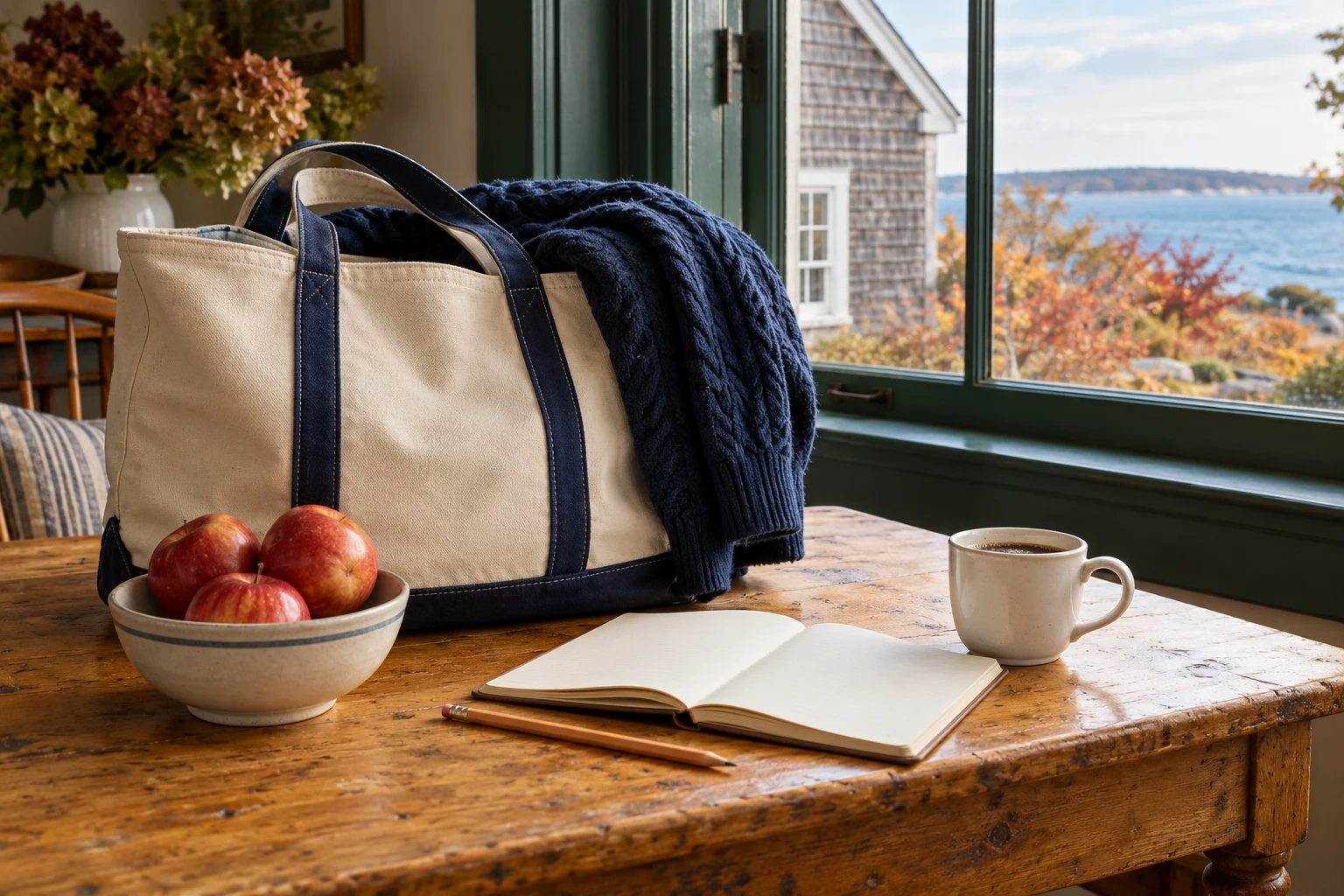
New England still-life illustration.

The older-teen edit

Their interests. Their choices. The help they need.

An older teen can need substantial support and still want a say in clothes, activities and everyday life. Begin with the person, then make the practical details work around them.

In this guide

Start with what matters

Start with a real interest.

Swimming, music, food, a favorite film, being outside: an activity has a better starting point when there is something the person enjoys in it. Ask in the way they communicate, allow time, and pay attention to their response. Familiar preferences can help you offer possibilities without deciding everything for them.

New England still-life illustration.

Room for the person

Find a part worth taking part in.

Look at an everyday activity and separate the pieces. For assembling a gift, someone could choose the item, select the paper, place it in a bag or decide which ribbon to use. For an outing, they could choose the destination or the music for the journey.

Check grip, closures and reach.

The details left in

The useful part, in full.

Open just what you need.
A real part in a useful project.

Choose photographs for a small photo gift, help choose a gift-kit project, or make a day-plan card using familiar communication and support.

Start with a real interest.

Keep the choices real. If there is time for either a short walk or a visit to the pool, offer those. A long list of unavailable activities makes the decision harder for everyone.

  • Show the actual item or place when that is useful.
  • Break a large choice into smaller ones: activity first, then time or what to bring.
  • Include a way to say “no,” “something else,” “break” or “finished.”
  • Use the person's established communication methods and usual support.

Age-respectful does not mean policing someone's taste. A much-loved character, toy or familiar activity can remain a genuine favorite. Present choices respectfully and let the person enjoy what they enjoy.

Find a part worth taking part in.

Prepare the parts that would otherwise get in the way, using the support the person ordinarily has. Keep their chosen role meaningful. If they select the blue paper, use the blue paper. Their contribution should affect what happens.

Before you begin

  • Put the materials within comfortable reach and keep the workspace clear.
  • Explain or show what is happening in a familiar way.
  • Check whether the tools, closures and instructions are manageable with the usual assistance.
  • Leave enough time for a response before adding another instruction.
  • Make a pause or an early finish possible.

A first try can be brief. Watching, choosing, doing one part or returning another day are all possible ways to join in. Offer assistance without making independence the price of participation, and let a refusal remain a refusal.

Shop for access in the details.

Before buying an activity or product, trace the steps between opening it and enjoying it. Does it require reading, precise timing, several tiny pieces or repeated setup? Can it be restarted easily? Is the enjoyable part accessible with the support already available?

Clothes, accessories and everyday equipment

Consider the wearer's preferred look alongside fabric, fit and fastenings. For a bag or device accessory, check actual dimensions, weight, access to controls and how it will be carried. A long feature list tells you very little about an awkward zip.

Plans outside the house

Ask about group size, noise, waiting, facilities and whether the usual support person can join. Find out what a shorter visit would involve and where a break can happen. A clear description or a few current photographs may help make the plan familiar.

Keep personal information private when arranging support. Share the access details the host needs, and discuss photos separately rather than assuming participation includes being photographed.

Afterward, consider what the teen seemed to enjoy and ask for their view in an accessible way. Keep the useful parts and adjust the awkward ones. A good activity leaves room for both help and personal choice.

Planning suggestions to adapt to the person and the day. Recheck dated source information when a detail may have changed. Original editorial illustrations are decorative, not evidence about an actual venue, person or product. Family photographs remain unaltered.

Use the optional checklist

Make it work for your day

A real preference, then the next part.

Check what you need for today. Print the page to keep your list; checks are not saved when you close it.

01 · A real preference

0 of 3 prompts checked

Checks stay on this page only. Read the complete instructions.

02 · A meaningful part

0 of 3 prompts checked

Checks stay on this page only. Read the complete instructions.

03 · Access in the details

0 of 3 prompts checked

Checks stay on this page only. Read the complete instructions.

More places to explore