






An AUsome LifeThe good New England life, at our own pace.
Explore all
New England still-life illustration.

Profoundly Awesome

Support needs are real. So is the rest of the life.

There are big support needs here. There are also favorite places, clothes, water, routines, opinions, privacy, adolescence and days that are simply fun.

In this guide

Start with what matters

Talk to the person, not around them.

We use “profound autism” to describe our family's particular experience of very high support needs. The term is contested, and it is not everyone's preferred language. This is one family's perspective. Individual autistic people and families have their own experiences and ways of describing them.
New England still-life illustration.

Room for the person

Plan the good part first.

A swim, a familiar lunch, time outside or a favorite shop can be enough for a day out. Choose the part that matters most, then check the practical details that make it possible: arrival, waiting, food, bathrooms, breaks and the way home.

Ask before sharing a personal detail.

The details left in

The useful part, in full.

Open just what you need.
Talk to the person, not around them.

In everyday company, start by speaking to the person you are with. Make room for the communication methods they use and the time they need. Their usual support can be part of the conversation without the conversation passing them by.

  • Ask about an actual preference, such as where to sit or what to do next.
  • Keep familiar communication tools available and ask before touching them.
  • Avoid piling several questions together or answering immediately on the person's behalf.
  • Use a tone that respects their age, including when the words need to be straightforward.

A person can need extensive help throughout the day and still have very clear views about where to sit, what to wear, when to leave and whether your idea is any good. Their preferences belong in the plan.

Read our detailed guide to multimodal communication, AAC, access methods and communication-partner support →

Plan the good part first.

Describe the plan in a familiar format. Actual photographs, objects, words or the person's established communication system may be useful. Include what comes afterward and how a change of plan will be explained.

Keep a shorter version ready.

Think through what happens if the visit is brief. Can you leave and return? Is there somewhere comfortable to pause? Can one family member finish an activity while another leaves with their support person? Agree on the practical arrangements before everyone is tired.

Bring the everyday supplies and communication equipment the person ordinarily uses, and follow their existing support plans. Where possible, distribute the packing, transport and checking among the people available to help.

Afterward, ask what worked and notice what the person chose to return to. Repeating a familiar pleasure is a perfectly good plan. A family outing does not become morally superior because it lasted six hours.

Dignity lives in the small decisions.

Privacy matters at home, with friends and online. A difficult moment, personal care or an intimate detail can stay private. Before sharing a story or photograph, consider whose experience it is, what the person has communicated about it, and whether the detail needs to be public at all. Leave it out when permission is unclear.

A useful handover can be brief.

For an activity host or someone helping with the day, share the practical information they need: how the person communicates, what support helps them take part, how to offer a break and whom to contact if plans change. Keep private care information with the appropriate people through a suitable private channel.

A simple starting point is: “Please speak directly to them and allow time to respond. They communicate using [method]. For this activity, [specific support] helps. If they want to pause, [familiar signal or arrangement].” Adapt it to the person and the setting.

The useful questions remain ordinary ones. Did they have a say? Could they join in with the help they needed? Was there room to stop? Were their private moments protected? Those details make everyday life more considerate for the person at its center.

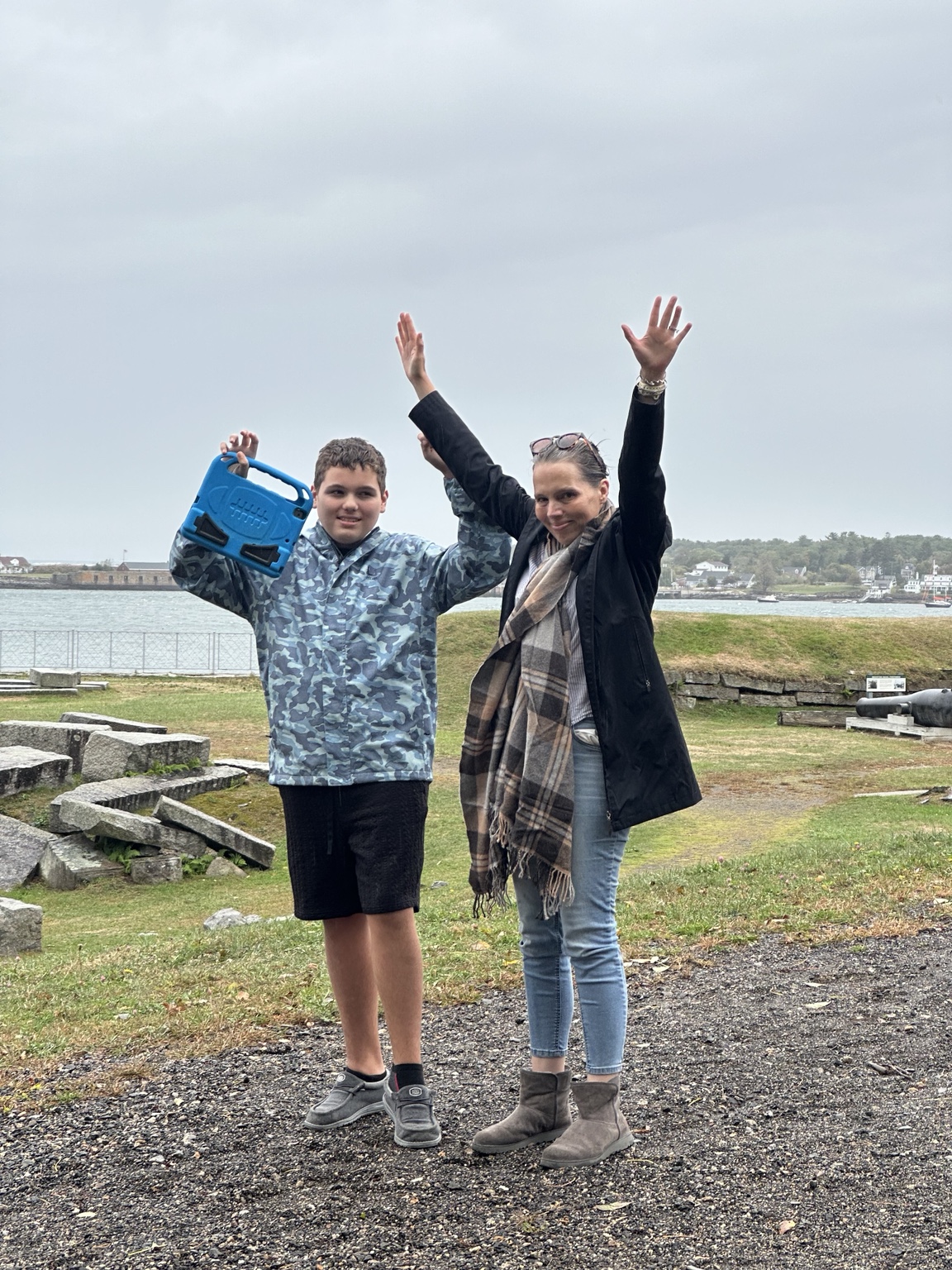
Planning suggestions to adapt to the person and the day. Recheck dated source information when a detail may have changed. Original editorial illustrations are decorative, not evidence about an actual venue, person or product. Family photographs remain unaltered.

Use the optional checklist

Make it work for your day

The person in the conversation, then the next part.

Check what you need for today. Print the page to keep your list; checks are not saved when you close it.

01 · The person in the conversation

0 of 3 prompts checked

Checks stay on this page only. Read the complete instructions.

02 · The good part of the day

0 of 3 prompts checked

Checks stay on this page only. Read the complete instructions.

03 · Privacy and dignity

0 of 3 prompts checked

Checks stay on this page only. Read the complete instructions.

Stories & useful next steps

Keep exploring.