




An AUsome LifeThe good New England life, at our own pace.
Explore all

Falmouth, Massachusetts · October by the sea

The Beautiful Art of Letting Go

Three pairs of bare feet, an October ocean, and a father learning when to take a step back.

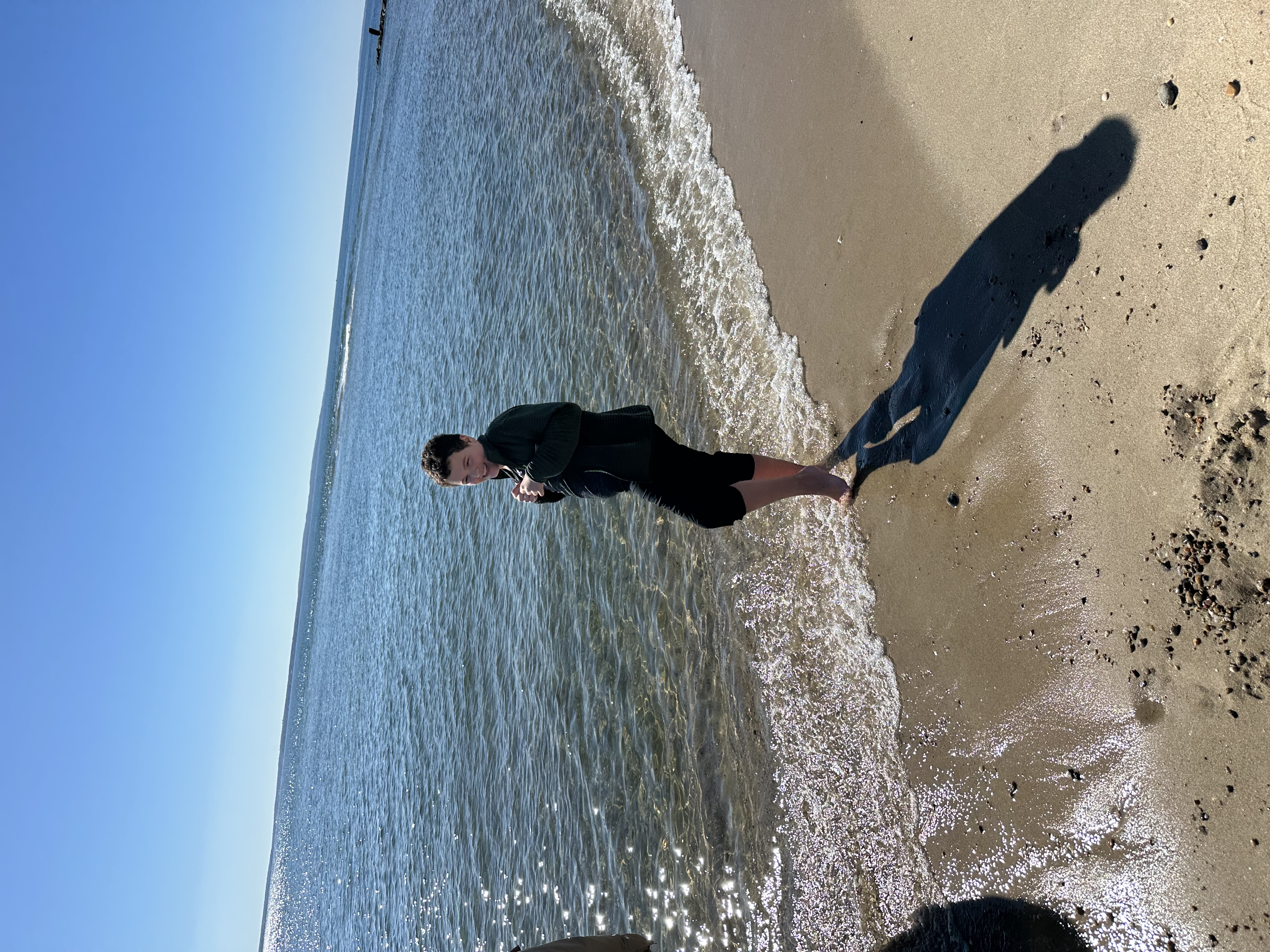
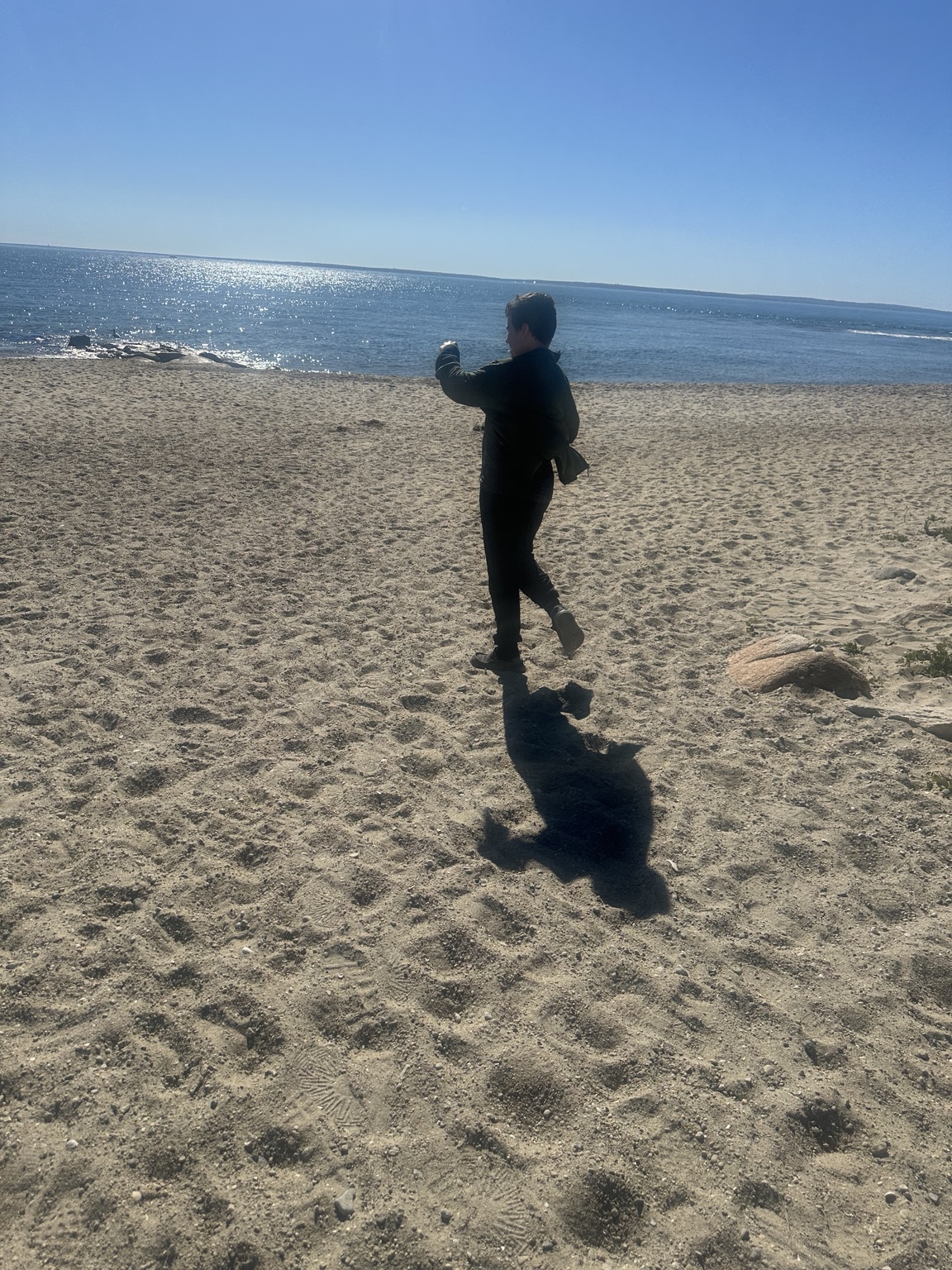
James lifts an arm as he moves across the sand toward the glittering water at Menauhant Beach.
James, with a whole afternoon in front of him.
In this story

My wife took off her shoes first.

We had stopped at Menauhant Beach in Falmouth early on Sunday afternoon. It was October, and this was a detour, not a swimming expedition. Nevertheless, off came her shoes and socks, and into the ocean she went.

James saw his mother in the water and followed. Before long, I had abandoned my own shoes and socks and joined them.

The water was ice cold. Bracing, certainly. Invigorating, if you were feeling generous. It was also rather difficult to argue with the two people already enjoying it.
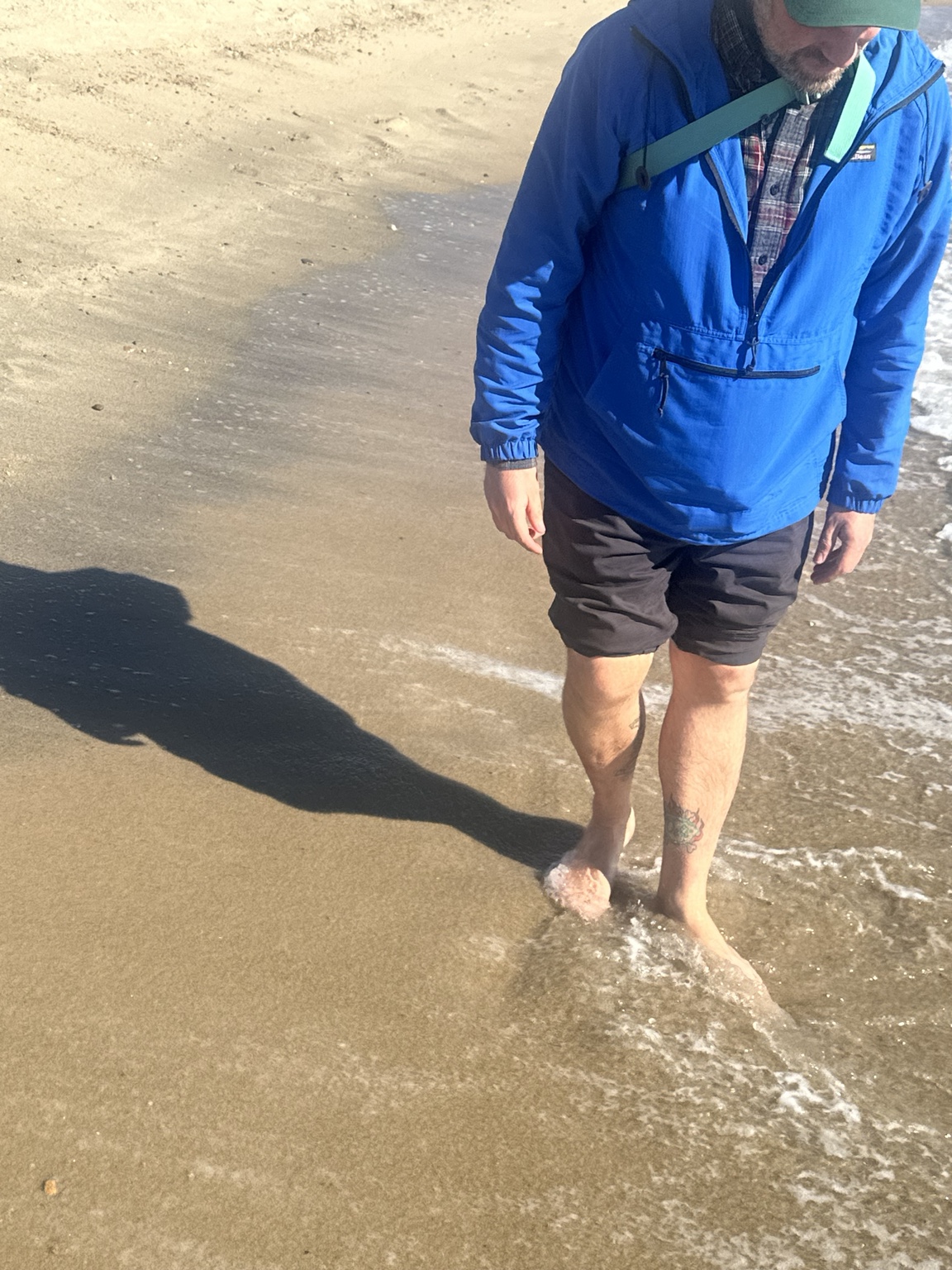
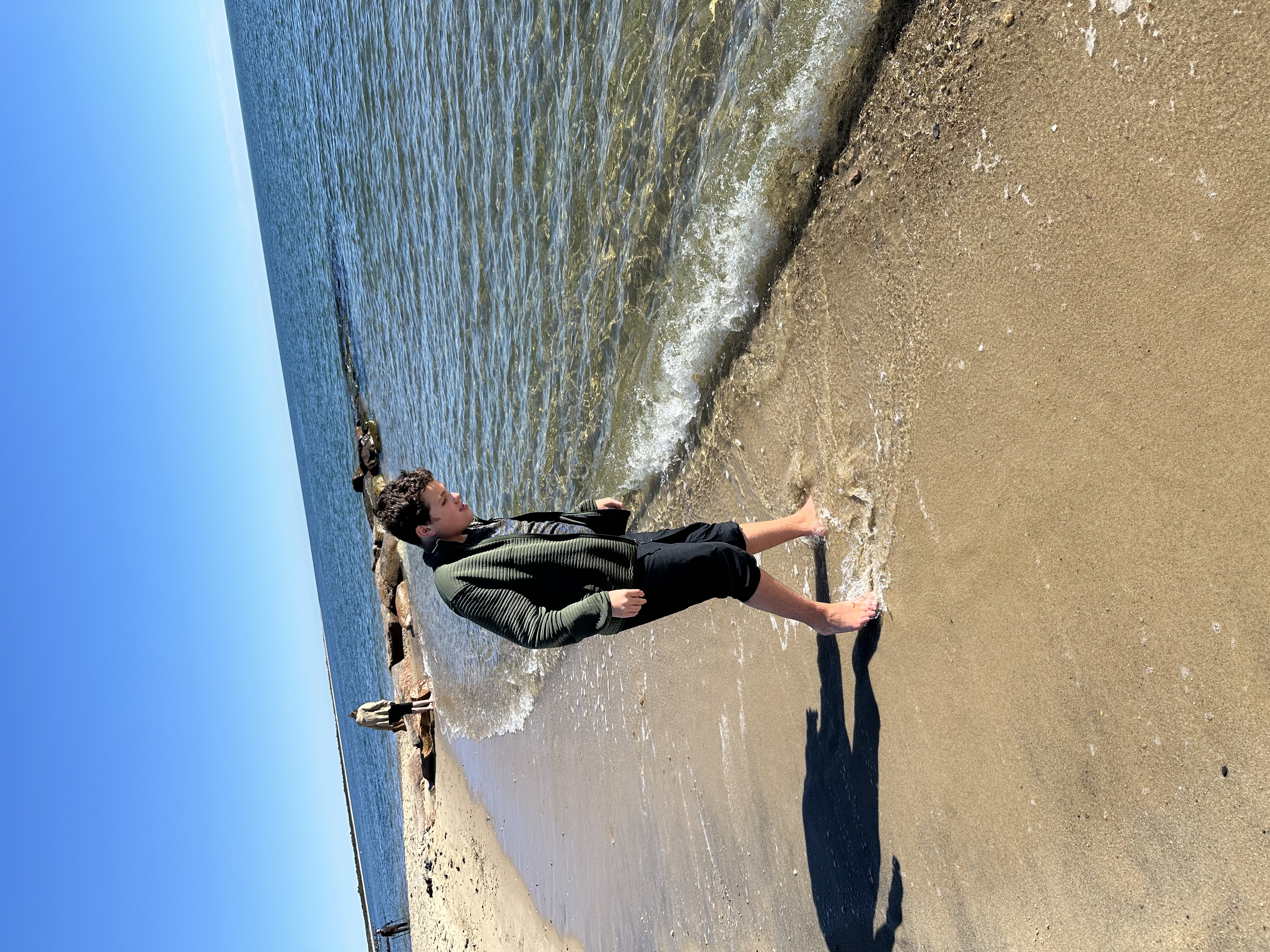
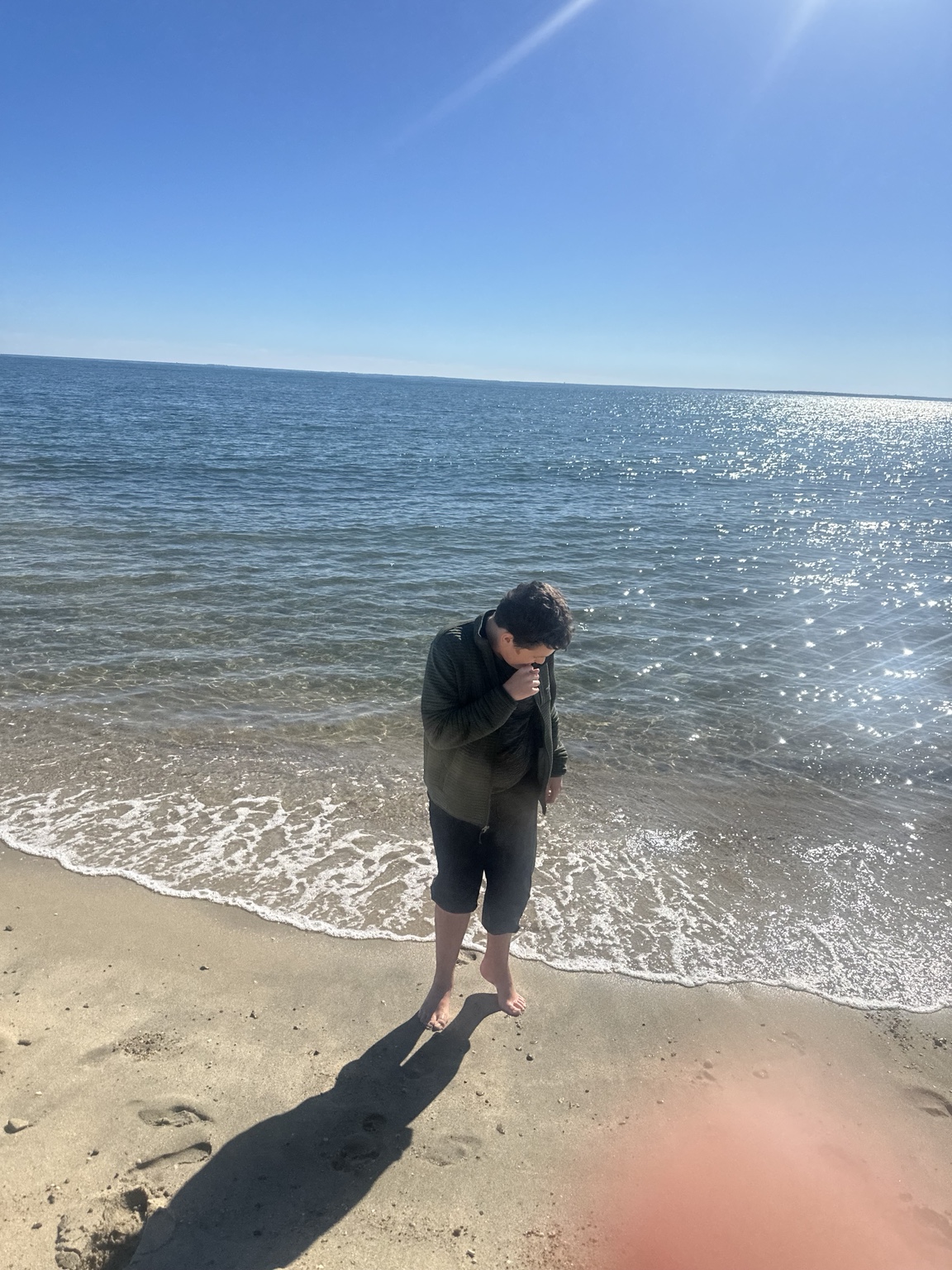
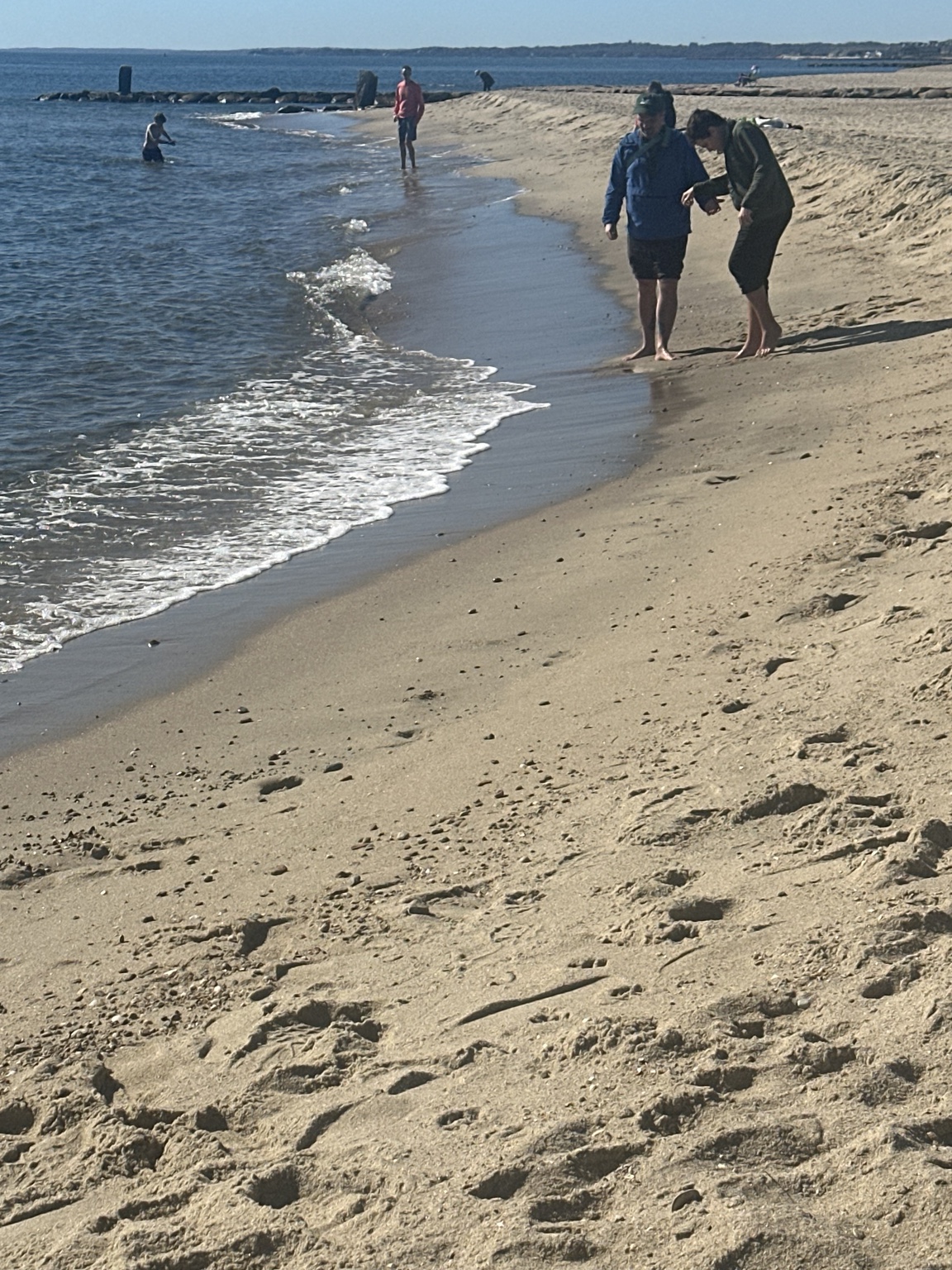
Michael, wearing a blue jacket and shorts, looks down at the clear water around his bare feet.
Eventually, Dad took his shoes off, too.
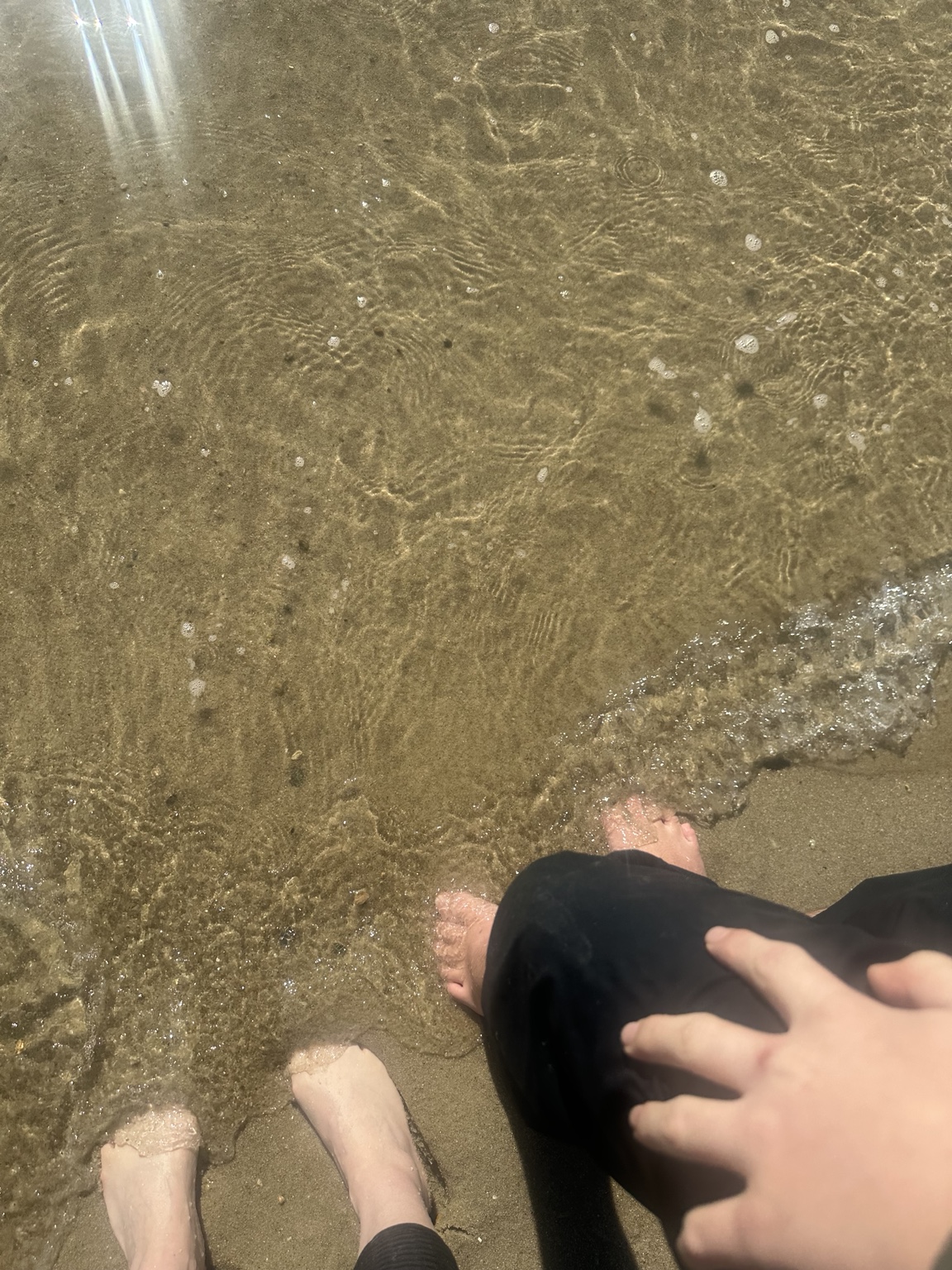
Bare feet stand together in shallow, clear seawater over rippled sand.
The part of the afternoon none of us had planned.

A little room

My first instinct was to follow James closely. Watch each step. Anticipate the next one. It is a familiar reflex when you have spent years attending to a child’s safety: you begin to move before you have quite decided whether you need to.

This time, I stopped myself.

I was still watching. But I hung back.

James has worked extraordinarily hard on his spatial awareness and his understanding of physical safety. There are hours of effort behind the things I was watching him do: learning, repetition, trying again. I knew that work. I had been there for it.

Now I needed to make a little room for what it had made possible.

James needed the freedom to be a teenager.

He danced in the water. He ran from the incoming waves. His unmistakable sounds of delight carried across the beach. He was choosing when to approach, when to retreat, and when to do the whole thing again.

There was nothing for me to organize. He was thoroughly occupied with his own afternoon.
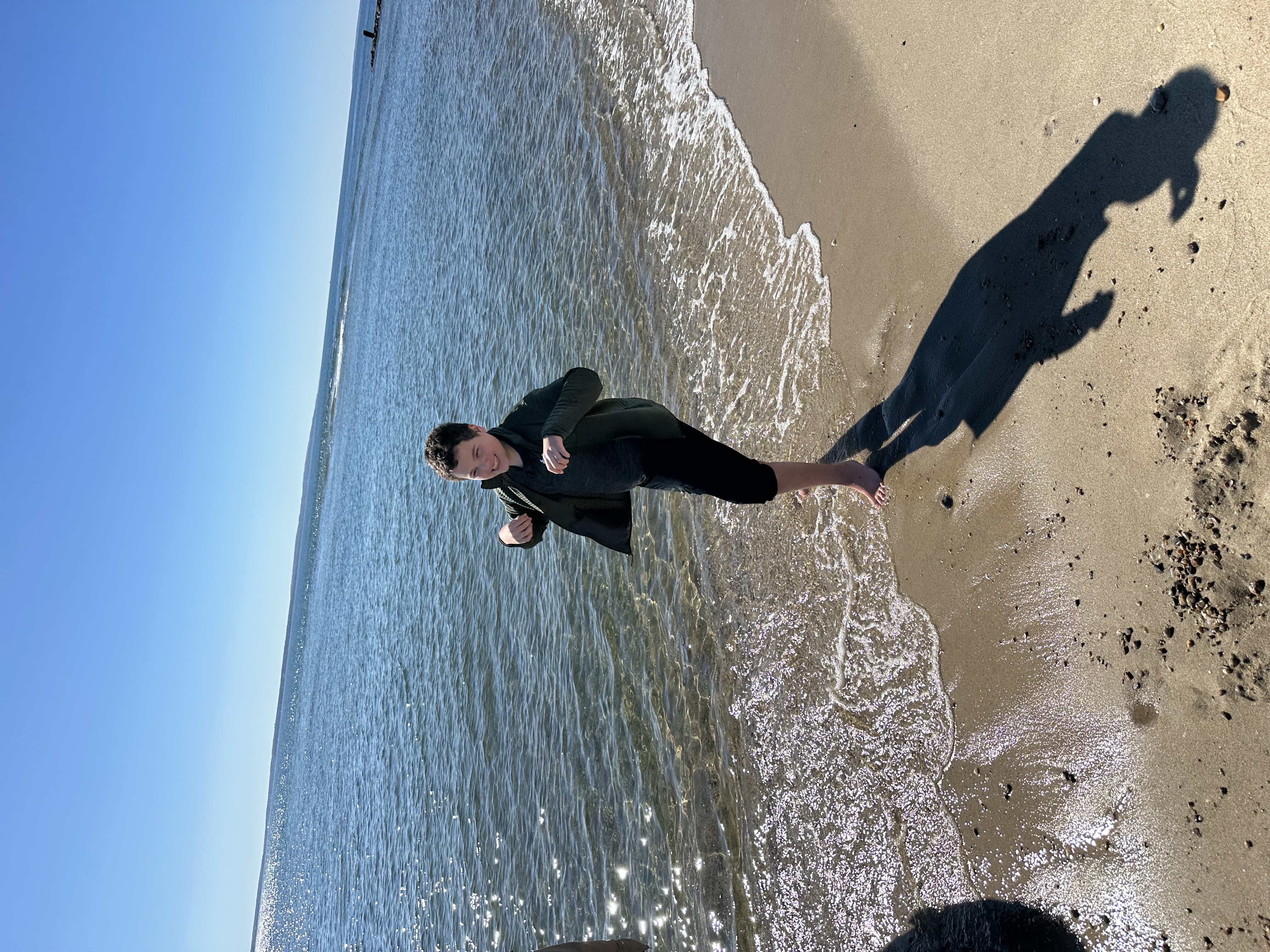
James lifts his arms as he moves along the sunlit waterline.
There was nothing for me to organize.
James watches a wave wash around his feet beside the stone jetty.
The sea had his attention.

I found that more moving than I had expected. So much of being his father involves helping him find his way through the world. It is possible to become so accustomed to helping that you fail to notice the moment when your help can take a quieter form.

I could be there and let this belong to him.

And there was my wife

She had waded farther out, shielding her eyes from the afternoon sun and looking toward the horizon.

She looked absolutely beautiful.
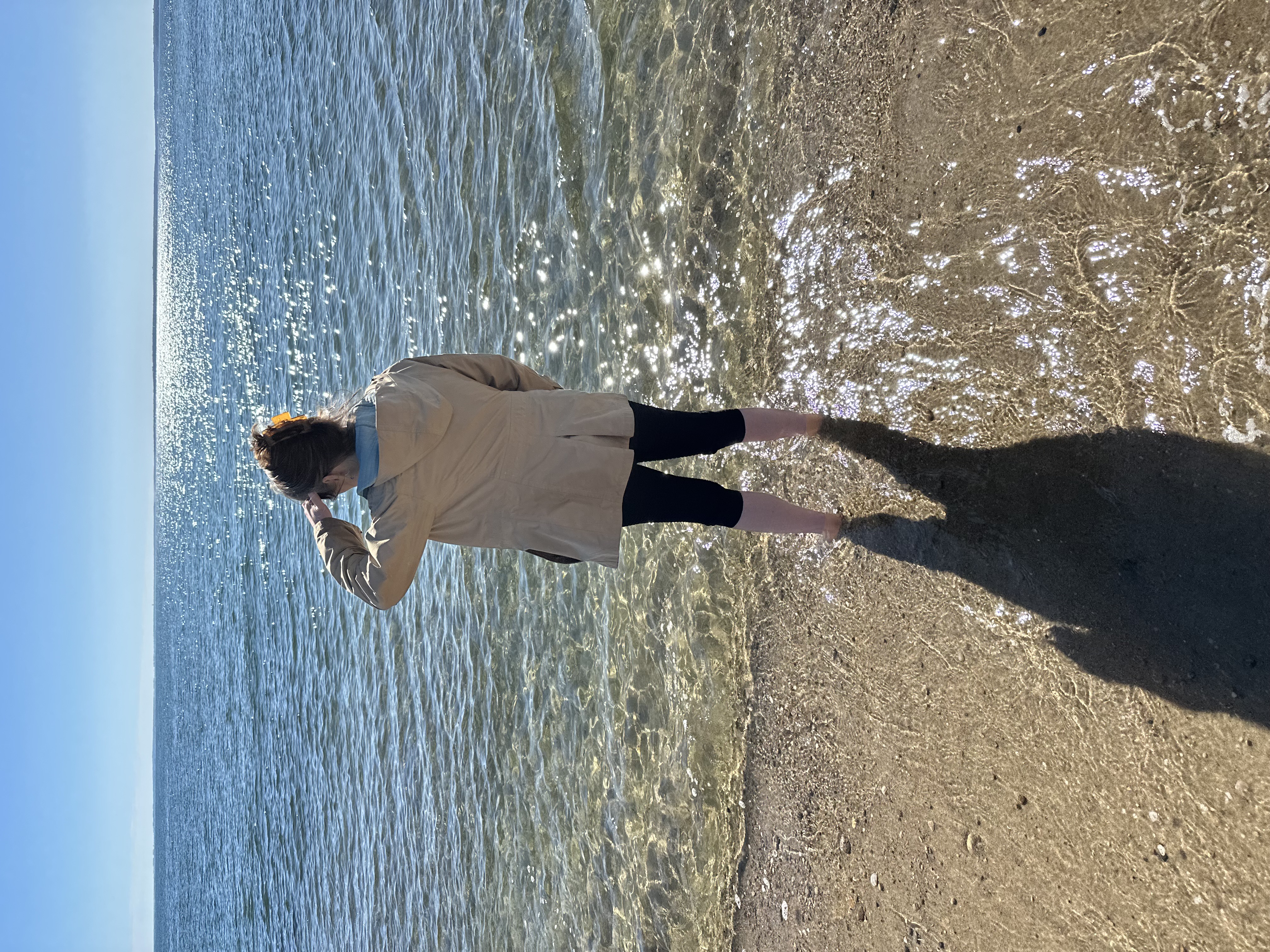
James’s mother shades her eyes with one hand and looks across the glittering water.
A moment of her own.

I loved seeing her that way. She was enjoying the water, the sunlight, the simple pleasure of having followed an impulse. For a little while, she had something that belonged to her.

Family life, especially with a child who has significant support needs, asks a great deal of your attention. Schedules, concerns, the next thing that needs doing. Even on a good day, some part of you is usually looking ahead.

Here she was, looking out.

And here was James, dancing with the tide.

I stood back and watched the two people I love most in the world.
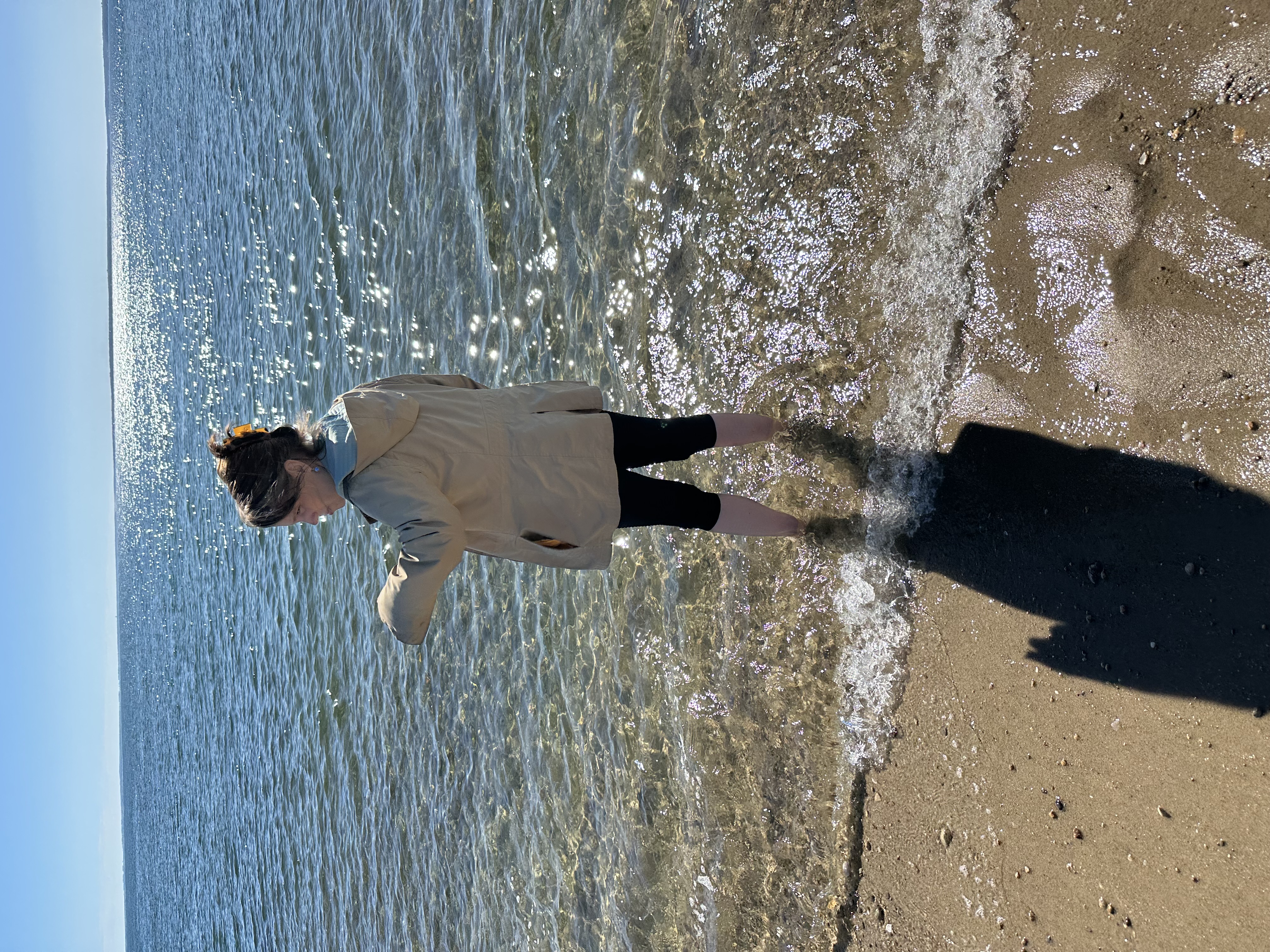
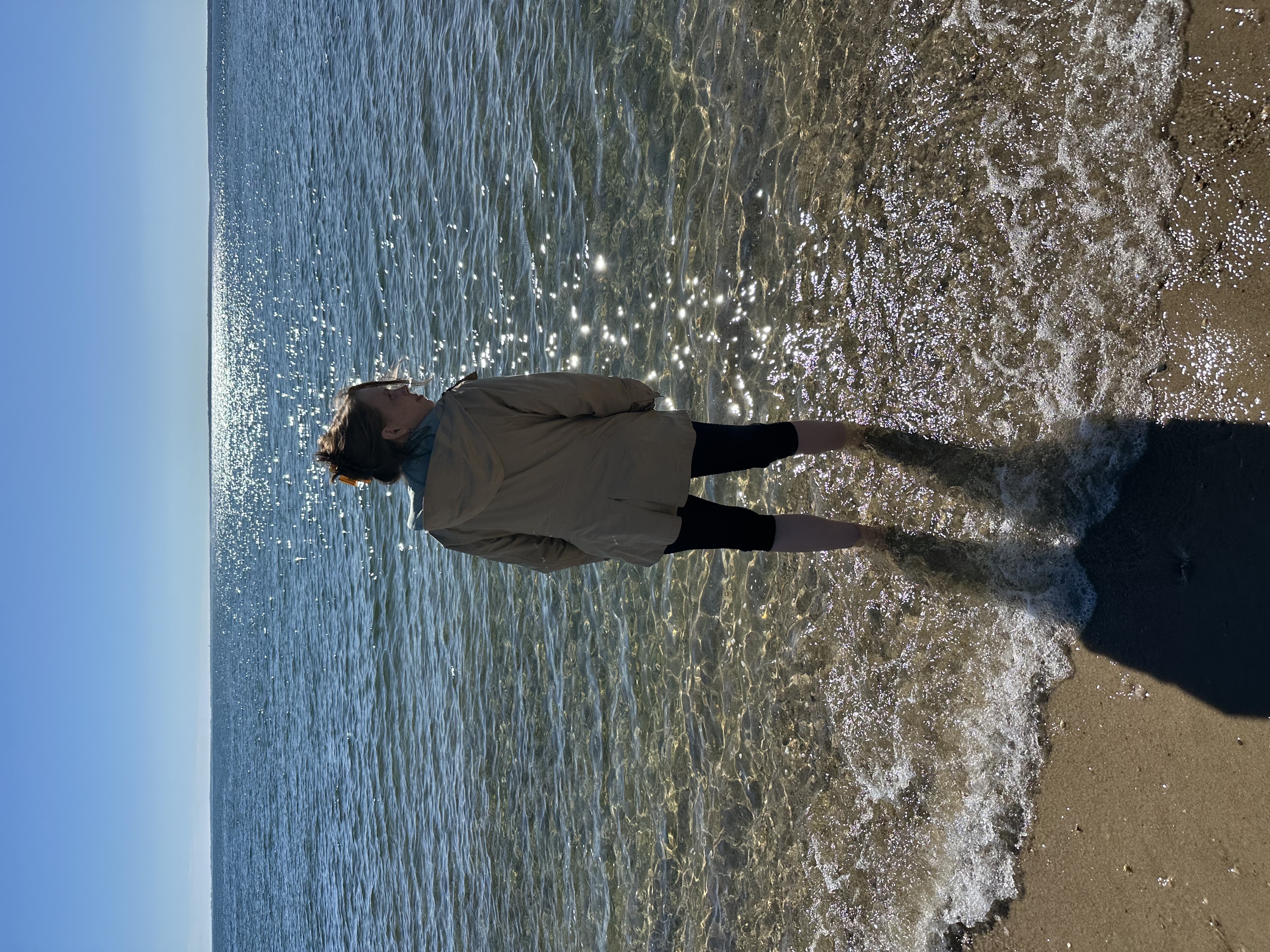
James’s mother turns toward the beach while standing barefoot in the sunlit shallows.
The lovely impulse that started it all.
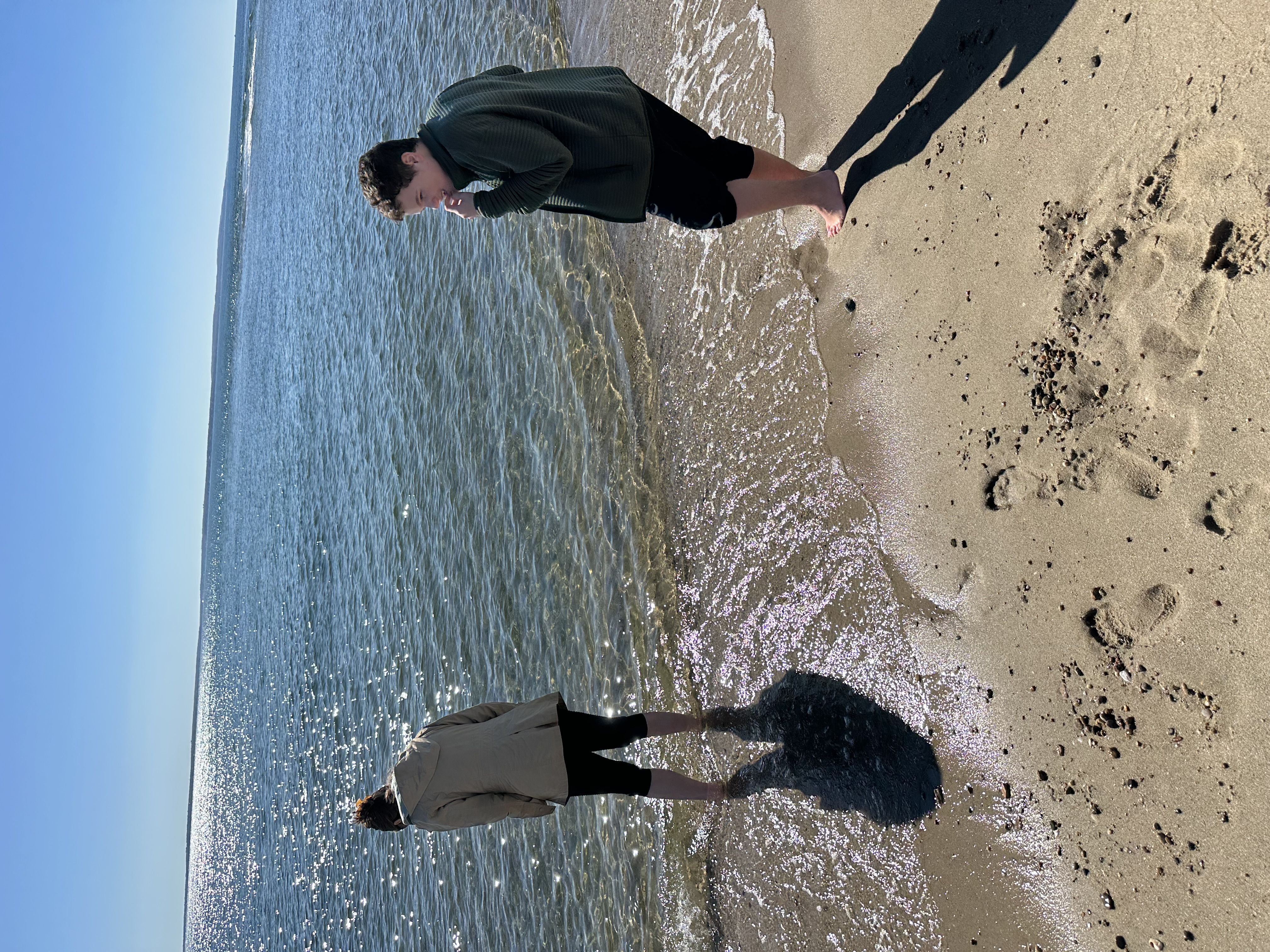
James and his mother stand beside one another at the water’s edge, with their shadows across the beach.
The two people I love most.

Before the shoes went back on

There was no ceremony to mark any of this. No carefully arranged activity, no formal acknowledgment of the work that had brought James to this particular stretch of water.

There was my son enjoying himself. There was my wife enjoying herself. And there was the unexpected pleasure of realizing that I could simply enjoy them.

Letting go, even a little, asks you to trust the work your child has done. It also asks you to recognize that the moment is his. James did not need me to give his afternoon a meaning. He already knew what he wanted to do with it.

My wife, meanwhile, had reminded me how much can begin with taking your shoes off.
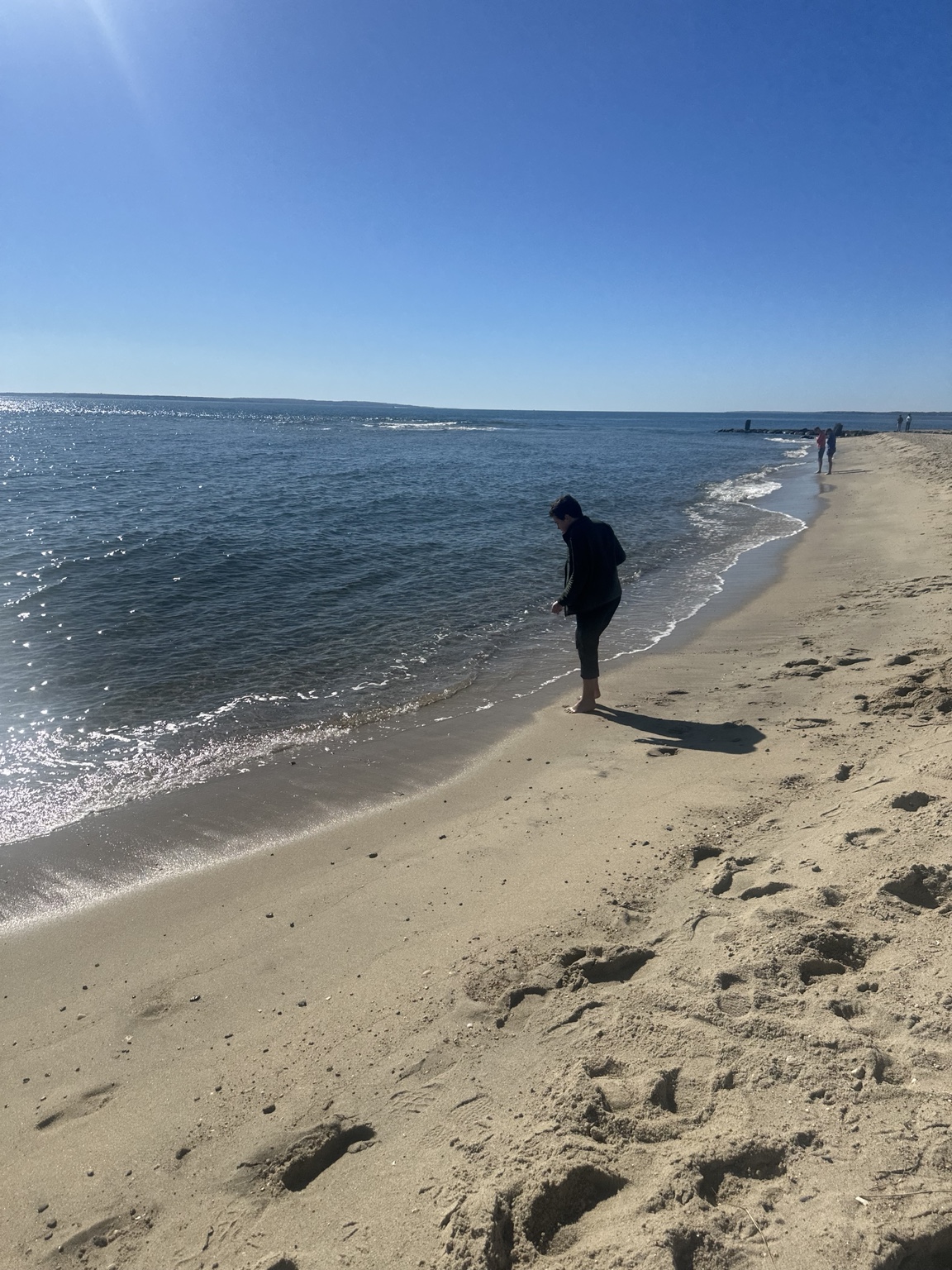
James stands at the edge of the water beneath a wide blue sky at Menauhant Beach.
For a little while, there was nowhere else to be.

Eventually, we would have to put them back on. The schedules and responsibilities would still be there.

But for a little while, on a beach in Falmouth, I watched my son move forward and my wife stand in the sun. I was glad I had joined them. I was glad, too, that I had known when to stand back.

Three pairs of bare feet. One ice-cold ocean. And a moment of freedom I won’t soon forget.
From the camera roll

A little of the afternoon, moving.

Two quiet beach films. Press play when you’re ready; these web versions are silent.

At his own pace · 49 seconds
Read a description of this film

James stands barefoot on the sand beside the water. Small waves wash up and recede as he moves along the shoreline. Sunlight glitters across the sea; a stone jetty stretches out farther along the beach.

The water comes back again · 20 seconds
Read a description of this film

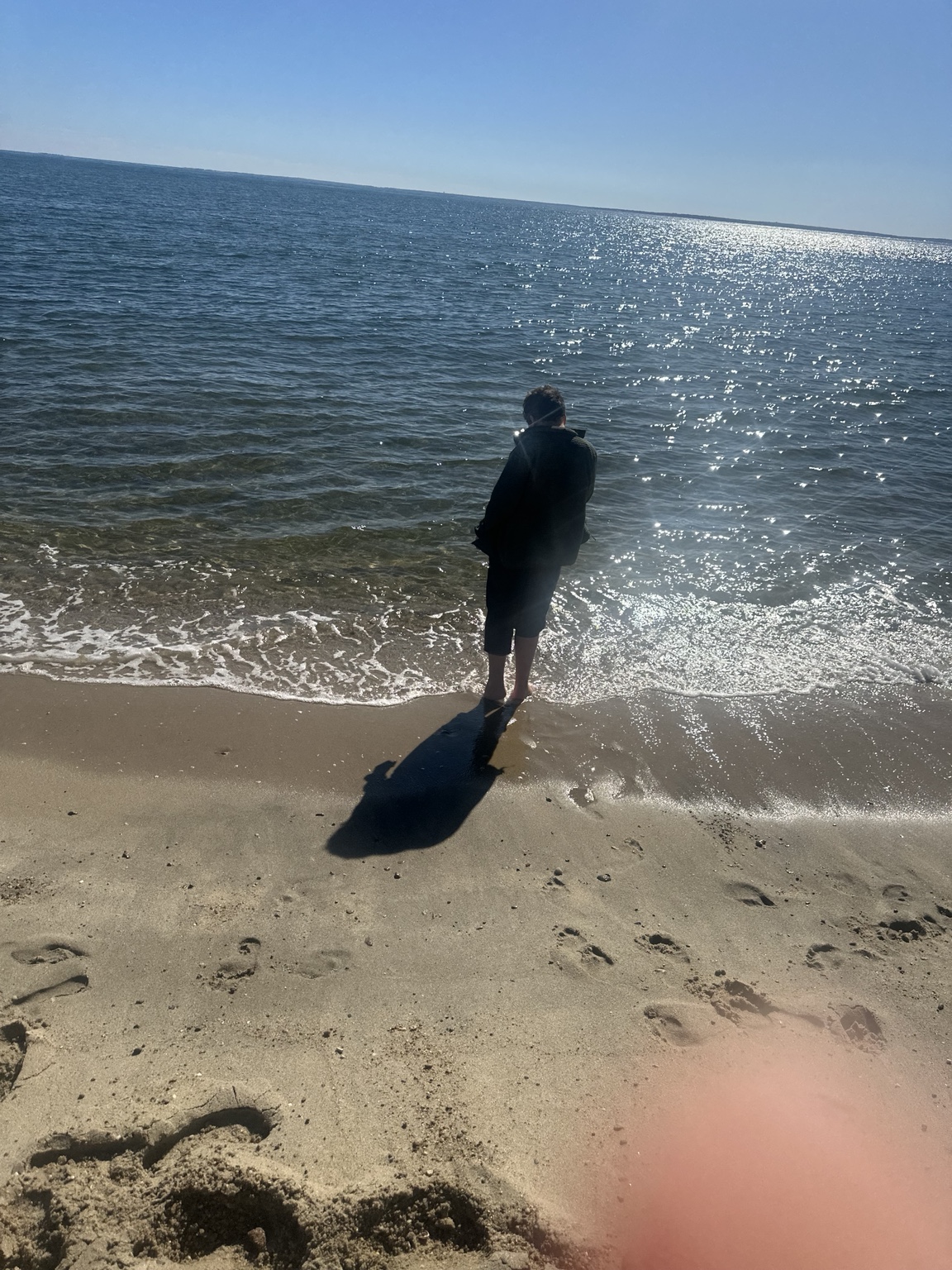
Seen from the beach, James faces the sea with his trousers rolled above his bare feet. The sunlight catches the small waves in front of him as they come toward the sand and draw back.

Photographs by both of us

A few more moments to keep.

Open the rest of the album · six photographs
Michael and James stand together at the shoreline, with small waves and a stone jetty behind them.
A little room, and his father still there.
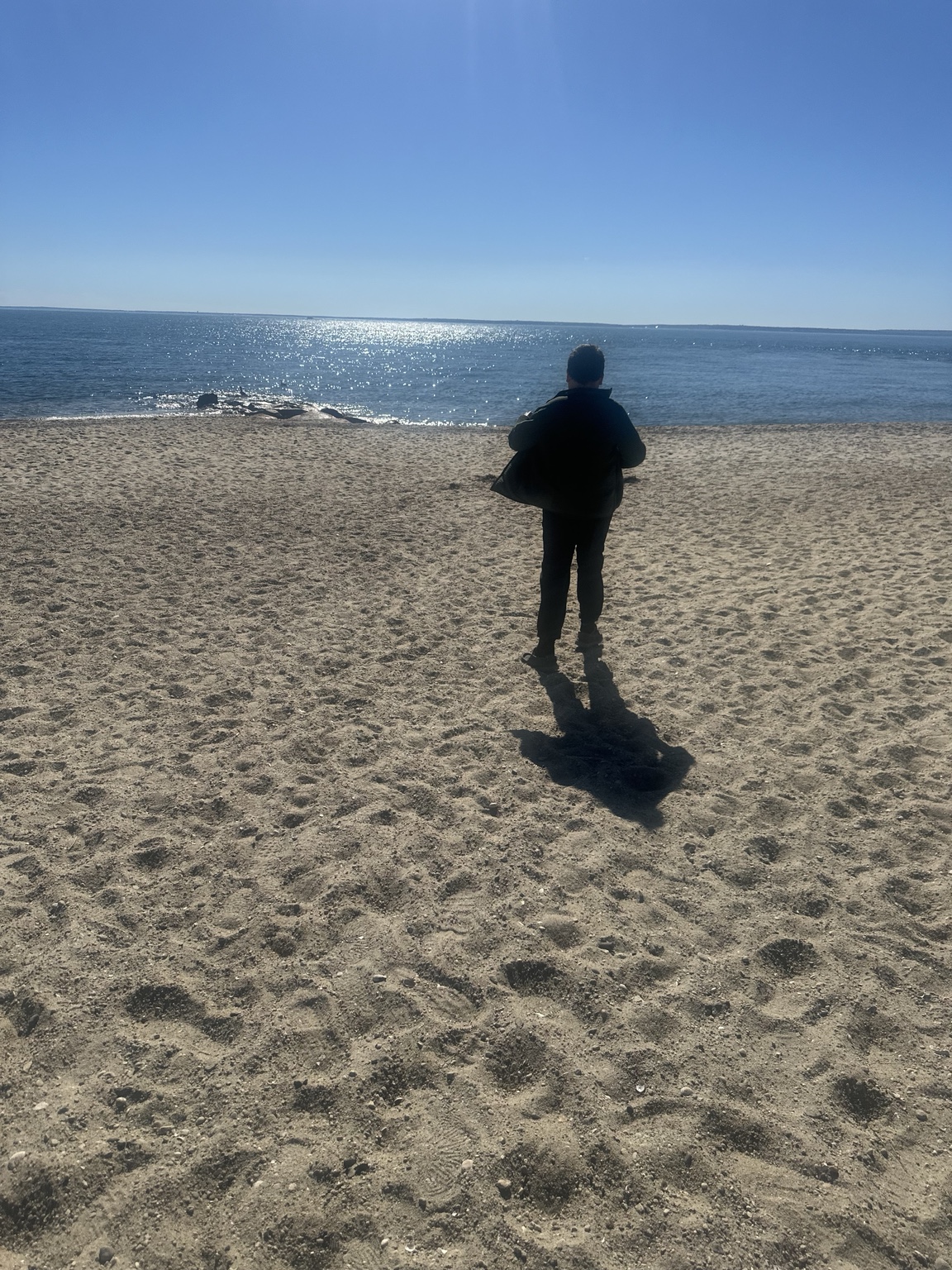
James stands on the beach facing the bright sea, his long shadow falling across the sand.
A teenager, an October afternoon, and the sea.
James’s mother stands in clear ankle-deep water as a small wave reaches the sand.
Sunlight, salt water, and a little time.
James turns toward the camera while standing barefoot at the edge of a small wave.
His own afternoon.
James stands barefoot at the water’s edge, looking across the sunlit sea.
At the edge of the water.
James looks down toward the sand as a small wave recedes behind him.
A wave comes in. A wave goes out.

A companion to the afternoon

The shore has a story, too.

I studied geology during my freshman year at the University of Rhode Island, before transferring. A shoreline has more than one story: the people who have gathered there, and the water, weather, and sand that keep changing it.

A little history, a little science, and the practical details for finding this stretch of Falmouth.

Before our footprints: a short history

The history of this coast reaches far beyond its summer hotels. The Mashpee Wampanoag Tribe describes a presence in present-day Massachusetts and eastern Rhode Island extending more than 12,000 years. Its history and culture resources are a place to begin with the people whose homeland this region remains.

A hotel, six cottages, and a wharf

In 1874, seven jewelers from Attleboro and John Tobey of East Falmouth formed the Menauhant Land and Wharf Company to establish a summer cottage community. Between 1875 and 1880, they built a hotel, six cottages, and a 120-foot wharf near Central Avenue and Menauhant Road.

The hotel accommodated 150 guests. There were tennis courts, a baseball field, horses, bowling, and Saturday-evening dancing to an orchestra. It burned on June 17, 1918. The neighborhood survived; Jewelers Avenue still recalls those early developers. These details come from Kathy Lanson and Leonard Miele’s “Resort Hotels of Falmouth,” published by the Woods Hole Historical Museum.

A beach still being made

The present shore has its own history of care. In 2007, the town acquired 1.9 acres at the western end of Menauhant with town funds, Community Preservation Act funds, and help from The 300 Committee. The land trust describes the added beachfront as both public shoreline and a source of sand that helps nourish Menauhant. Read about the Haddad Beachfront.

The beach is not a fixed stage on which the years pass. Waves, winds, and tides continue to move its sand. There is something fitting about coming here to watch someone grow.

Warm sunshine. Cold water. Why?

“Ice cold” describes how it felt to us; we did not record a water temperature. The bright blue photographs do not tell you how the sea felt around our ankles.

Water takes much more energy to heat and cool than land does. That gives the ocean a slower seasonal rhythm: it stores warmth and releases it gradually. An October afternoon can feel lovely in direct sunshine without bringing the water anywhere close to summer-swimming comfort. The U.S. Geological Survey explains this high heat capacity.

There is another difference your feet notice immediately. Water removes heat from the body much faster than air at the same temperature. So a temperature that feels quite manageable on your face can feel startlingly cold around your ankles. Massachusetts’ cold-water guidance explains the contrast.

Sunshine is not a water-safety test. The National Weather Service cautions that unexpectedly cold water can affect breathing and movement. Check local conditions, keep the supervision and support your family needs, and have dry layers ready.

Find Menauhant: map & visiting notes

Menauhant Beach · Menauhant Road · East Falmouth, Massachusetts. The beach faces Vineyard Sound, with an inlet connecting to Bournes Pond.

Open Menauhant Beach in Google Maps

The town distinguishes Menauhant East, listed as public-welcome parking in its seasonal guidance, from Menauhant West, listed for resident-sticker parking. Check the Falmouth Beach Department for current parking rules, fees, closures, and staffed hours before setting out. Summer listings do not establish October services.

Access planning: the Beach Department lists reservable adapted beach wheelchairs during its service season. Confirm availability for your date, the best access point, restroom arrangements, and your own needs with the department at 508-548-8623. Our photographs show sand and an uneven waterline; this visit was not a full accessibility assessment.

A note from the family: giving James room here meant watching while allowing him to lead his own moment. Keep the supervision and water-safety supports your family needs.

For a simple shoreline stop: bring a towel, dry socks, a change of layers, and whatever communication supports your family uses. Walking, watching, and leaving when you are ready all count as a beach visit.

Visitor sources checked October 25, 2026. Conditions, staffing, and access can change.

Beach picture cards · choose, download & print

Words to take to the shore.

Choose the pictures that are familiar and useful. For example: “towel,” “help,” or “all done.” Keep the person’s usual communication available, too.

beach
towel
running shoes
socks
water
seashell
sun hat
sunscreen
break
help
stop
all done

Generic AI-generated object and place pictures with simple communication symbols; the beach card is not a photograph of Menauhant. These independent picture communication cards are not official PECS® materials. This set was prepared after our visit.

Share this story

Pass along a little sea air.

A story about family, attention, and the pleasure of an unplanned afternoon.

More places to explore