
An AUsome LifeIn pursuit of the Good New England Life
The journalUNIVERSAL DESIGNPractical field notes
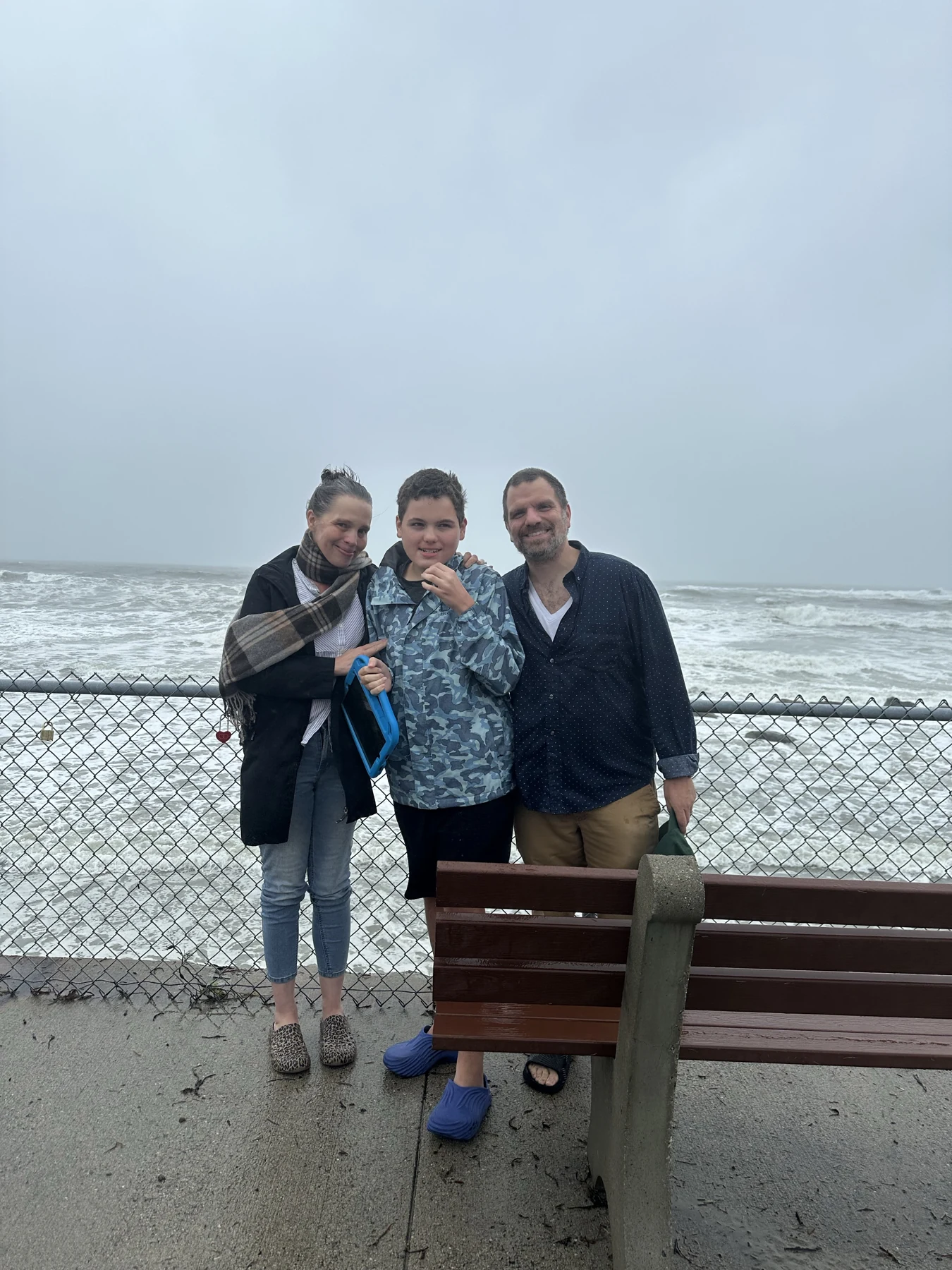
A real family photograph on a windy day at Wells Beach, Maine
Wells Beach, Maine · from the family camera roll.

UNIVERSAL DESIGN · FIELD NOTE

Energy is an access resource.

Sometimes access is an elevator. Sometimes it is a seat, a shortcut, a familiar meal, a shorter visit — or deciding that the expensive ride is worth it.

Start with what matters

Access does not begin and end at the ramp.

A place can technically be accessible and still ask an extraordinary amount from the person trying to use it. A long queue can be step-free. A museum can have an elevator and nowhere useful to sit. A hotel can have an accessible room and a breakfast setup that turns the morning into work.

We still care deeply about formal accessibility. We also pay attention to the less glamorous pieces that determine whether access can actually be used: distance, waiting, seating, food, noise, transitions, staff knowledge and how easy it is to change course.

Sometimes universal design is an elevator. Sometimes it’s a pedicab and a good song.
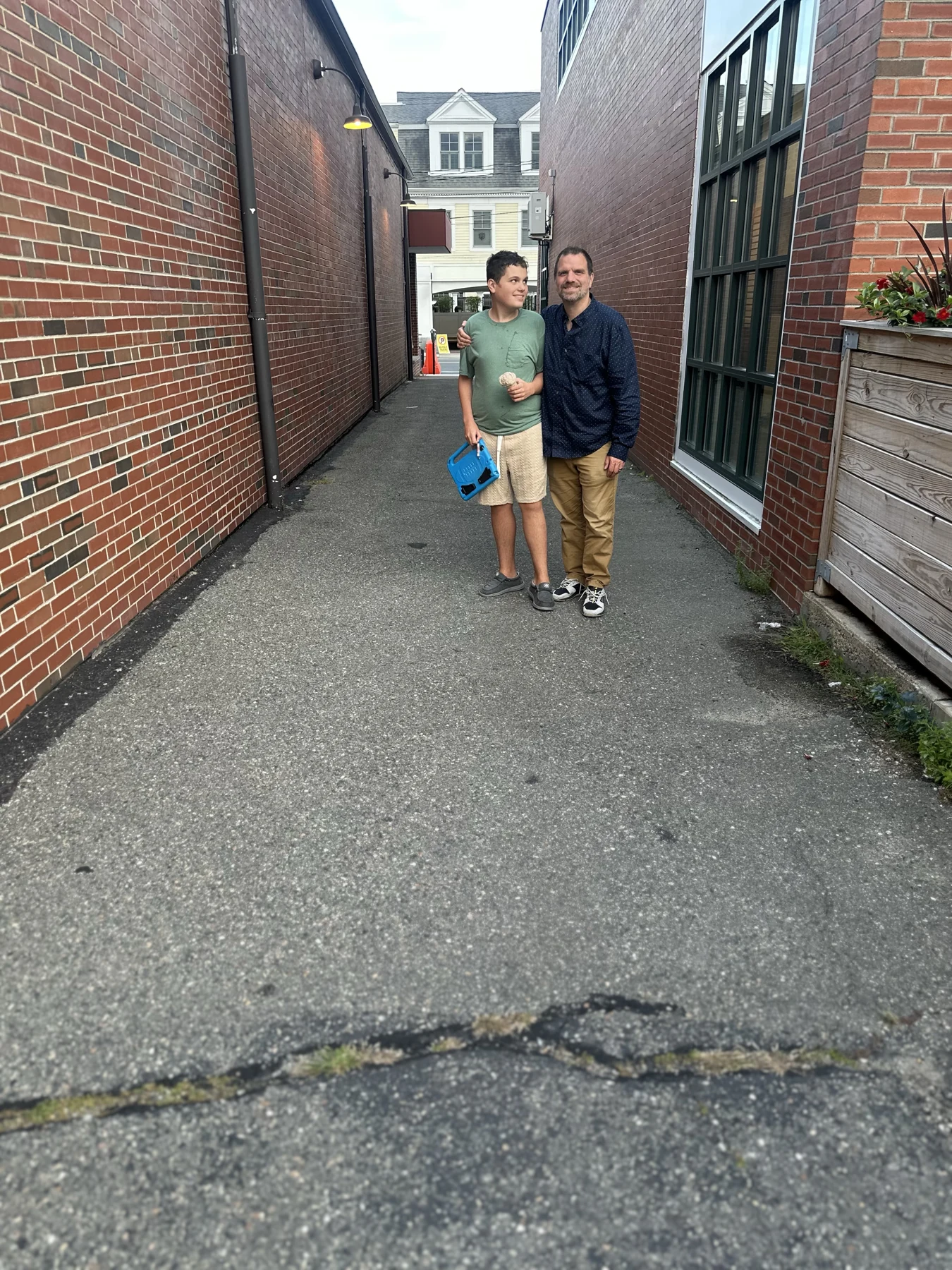
A real family ice-cream outing in Lexington, Massachusetts.
Small outings count, too.

Room for the person

Preserving energy is not cheating.

Take the closer parking spot. Sit down before anybody “needs” to. Skip the second attraction. Buy the familiar food. Ask the employee instead of spending an hour trying to decode the building yourself.

The goal is not to prove that your family can complete the plan in the conventional way. The goal is to have enough access to the actual reason you came.

The goal is to have enough access to the actual reason you came.

Make it work for your day

Where does the energy go?

Choose the part of the day to make more usable. Formal accessibility and individual support still matter.

01 · The route

0 of 3 prompts checked

Checks stay on this page only. Read the complete instructions.

02 · The pause

0 of 3 prompts checked

Checks stay on this page only. Read the complete instructions.

03 · The finish

0 of 3 prompts checked

Checks stay on this page only. Read the complete instructions.

The details left in

Before relying on the plan

Open just what you need.
Access does not begin and end at the ramp.

A place can technically be accessible and still ask an extraordinary amount from the person trying to use it. A long queue can be step-free. A museum can have an elevator and nowhere useful to sit. A hotel can have an accessible room and a breakfast setup that turns the morning into work.

We still care deeply about formal accessibility. We also pay attention to the less glamorous pieces that determine whether access can actually be used: distance, waiting, seating, food, noise, transitions, staff knowledge and how easy it is to change course.

Sometimes universal design is an elevator. Sometimes it’s a pedicab and a good song.
Preserving energy is not cheating.

Take the closer parking spot. Sit down before anybody “needs” to. Skip the second attraction. Buy the familiar food. Ask the employee instead of spending an hour trying to decode the building yourself.

The goal is not to prove that your family can complete the plan in the conventional way. The goal is to have enough access to the actual reason you came.

Questions we now ask automatically

Where can we sit?

Not “is there seating somewhere?” Where is it relative to the hardest part?

How do we leave?

An exit plan can be the thing that makes trying possible.

Who actually knows?

Find the employee who works the route, desk, entrance or building every day.

Can this be smaller?

One gallery, one ride, one swim or one meal may be the right size.

What is familiar?

A familiar food, object, communication system or routine can carry a surprising amount of the day.

What matters most?

Spend the energy there first.

Choose your own outing
One meaningful stop

Choose the part that matters most and make that the whole plan.

A pause, then decide

Find a seat, familiar food or quieter space before choosing what comes next.

An easy finish

Use the planned way home. Another attraction can wait for another day.

Our visual plan
LEAVE ROOM IN THE DAY
  1. Choose the point

    Name the thing everyone is going for. Spend the energy there first.

  2. Check the route

    Confirm the entrance, distance, facilities and transport that the plan depends on.

  3. Make a pause

    Find somewhere to sit, communicate and decide what works now.

  4. Keep the way home

    Finish, shorten or change the outing before the return becomes the hardest part.

Make a picture plan for your outing

Ask about the actual route

Ask which entrance to use, how far it is from arrival, where the elevator is and whether it is operating. A general accessibility label cannot answer every practical question.

Open the individual place guides
Keep communication available

The person's usual AAC, gestures, signs or other communication belong in the outing from beginning to end, including when plans change.

Prepare a short communication note
Food, seating & the return

Choose a realistic meal and a place to pause. Check the route back before deciding whether to add another stop.

Plan familiar food away from home
Permission to do less

One gallery, one swim or one meal can be enough. A shorter visit can protect the rest of the day.

Use the shorter-visit plan

Planning suggestions to adapt to the person and the day. Recheck dated source information when a detail may have changed. Original editorial illustrations are decorative, not evidence about an actual venue, person or product.