
For every role
I thought we were on opposite sides
A mother's thank-you to her son's special education director, plus a plain-language guide to one-on-one aides, LRE and questions for your next IEP meeting.
 Explore all
 JournalReal family days, favorite people, and the little things worth noticing.
 Places & days outFind a place, check the practical details, and leave a little room in the plan.
 Picture cards & toolsMake a choice visible, picture a visit, or prepare a note to take along.
 Home & findsFamiliar comforts, useful finds, and small changes that earn their place.
 Family & supportCommunication, shared care, school questions, and time for yourself.
Family life, with the useful details left in
A clearer handoff. A manageable day out. Something good just for you. Find a practical starting point, or settle in with a story from our own family.
Make the next few hours clear for the person taking over.

Choose one good stop and keep the useful details close.

A quiet hour, time for two, or a long-held wish. Start with something you would enjoy.
For every role
A mother's thank-you to her son's special education director, plus a plain-language guide to one-on-one aides, LRE and questions for your next IEP meeting.
For every role
A free shopping picture board with Books, Clothes, Lamps, Baskets and useful words. Point, tap, speak a choice optionally, or save a one-page printable PDF.
For every role
A simple picture choice board for a Congdon’s stop in Wells, Maine. Choose doughnuts, say no, ask for help or a break, and download two printable pages.
For every role
A short handoff can help staff, hosts or activity leaders understand how to communicate without turning a person’s private history into a public briefing.
For every role
A practical caregiver handover with a short template, an arrival check, current-plan safeguards, privacy boundaries and a clear return of responsibility.
For every role
Three fill-in tools for an ordinary week: a leaving-the-house card, a one-good-thing day plan and a household handoff. Fill them here, copy them or print a blank set.
For every role
The goal is not a perfect restaurant experience. It is knowing what food is available, what you can bring and what the backup is before hunger turns into the hardest part of the day.
For every role
A room-by-room reset for the time and energy actually available. Start with the walking route, make one space useful and stop at a clear finish line.
For every role
A practical, evidence-informed field guide to multimodal communication: speech, gestures, signs, gaze, objects, photos, AAC, typing, scanning, low-tech backups, communication partners, and using what is already around you.
For every role
An older teen can need substantial support and still want a say in clothes, activities and everyday life. Begin with the person, then make the practical details work around them.
For every role
A practical, age-respectful pool plan for older teens: arrival, changing, communication, water supervision and an easier way home.
For every role
High support needs are part of everyday family life here. So are preferences, humor, privacy, favorite places and the pleasure of a day that works.
For every role
A break works better when nobody has to invent it in the middle of a crowded place. Decide where, how and what comes next while everyone is still calm.
For every role
Decide the small version of the outing before you arrive. It makes leaving a valid part of the plan instead of something that feels like the day went wrong.
For every role
An editorial example about welcoming guests with clear timings, access details and room to ask privately for what they need.
For every role
An editorial example about proposing a smaller gathering clearly, without turning private support needs into a family debate.
For every role
A calmer way to gather your thoughts, choose your priorities, and arrive with a manageable plan.
For every role
An example question about keeping the warmth of an in-person meeting while making room for clear requests.
For every role
A compact template for holding onto your priorities when the meeting begins to move quickly.
For every role
A thoughtful way to compare experience, judgment, fees, and fit before you hire help.
For every role
A small working agreement can prevent crossed wires, surprise bills, and confusion about who speaks for the family.
For every role
Five folders, consistent filenames, and a short index can make the next document easier to find.
For every role
A short record of your understanding, open questions, and next steps, with an adaptable email template.
For every role
Practical language for interpretation, readable materials, usable technology, breaks, and a clearer pace.
For every role
A simple structure for turning a long worry into a specific request without minimizing its importance.
For every role
Make room for preferences, communication, and dignity when the adults have a great deal to discuss.
For every role
700+ picture communication cards. Search everyday pictures, edit labels, use your own photos, download PNGs and print a set. Free and no sign-in.
For every role
Make a printable communication note or blank handoff sheet using the words, signals and support that work for the person today.
For every role
Simple family agreements, communication access, choice and clear handoffs.
Fathers & paternal roles
Practical field notes for fathers and people in paternal roles: simple shared activities, an adaptable football plan, everyday responsibilities and clear handoffs.
Mothers & maternal roles
Practical field notes for mothers and people in maternal roles: shared rituals, clearer handoffs, everyday support and room for a life beyond coordination.
Grandparents
Practical field notes for grandparents: comfortable visits, current interests, simple traditions, support you can offer and boundaries that keep plans workable.
Adult siblings
A practical guide for adult siblings: ordinary time together, voluntary support, distance, clear limits and an honest start to future-planning conversations.
Extended & chosen family
Practical field notes for aunts, uncles, cousins, chosen family and trusted friends: clear invitations, specific help, relaxed visits and respectful boundaries.
Partners & co-parents
Practical field notes for co-parents and partners: complete responsibilities, everyday handoffs, changing plans, separate households and time together.
Support professionals
Practical field notes for direct support professionals, personal assistants and paid caregivers: a clear start, everyday choices, professional boundaries and useful handovers.
Respite & support partners
Practical field notes for respite providers and agreed support partners: first visits, reliable coverage, familiar activities, communication, boundaries and a clear return.
For every role
A date at Boston’s Isabella Stewart Gardner Museum, with our own photograph, practical caregiver planning, admission savings and museum accessibility notes.
For every role
An editable photo-by-photo outing plan. Local photos stay on your device; print a plan that fits your family.
For every role
Fall foliage, lakeside boats and a rainbow: a lovely Rangeley, Maine getaway from our family's photo album, with practical notes for planning a visit.
For every role
A bucket-list evening seeing and meeting Wayne Newton at Flamingo Las Vegas, plus real-world questions about VIP tickets, seating, sensory needs and access.
For every role
Why protecting energy can be part of accessibility and inclusive family travel.
For every role
For the mother who plans the outing and takes the pictures: a reminder to get in the photograph, with a moment from our own family album.
For every role
Twelve printable picture cards for a history outing, including old house, chair, history book, map, look, walk, car, more, help, stop, break and all done.
For every role
Why a short outing can be the whole outing — with real family examples from New England.
For every role
221 plain-English terms for caregivers: high-support and profound autism, AAC, apraxia, sensory needs, reinforcement, consent, safety and IEP meetings.
For every role
700+ picture communication cards. Search everyday pictures, edit labels, use your own photos, download PNGs and print a set. Free and no sign-in.
Remove a topic or try a shorter search.
From our family album
Family life includes the planning, and the memories you make along the way.

Meeting Wayne Newton, a bucket-list wish, and an evening worth making room for.
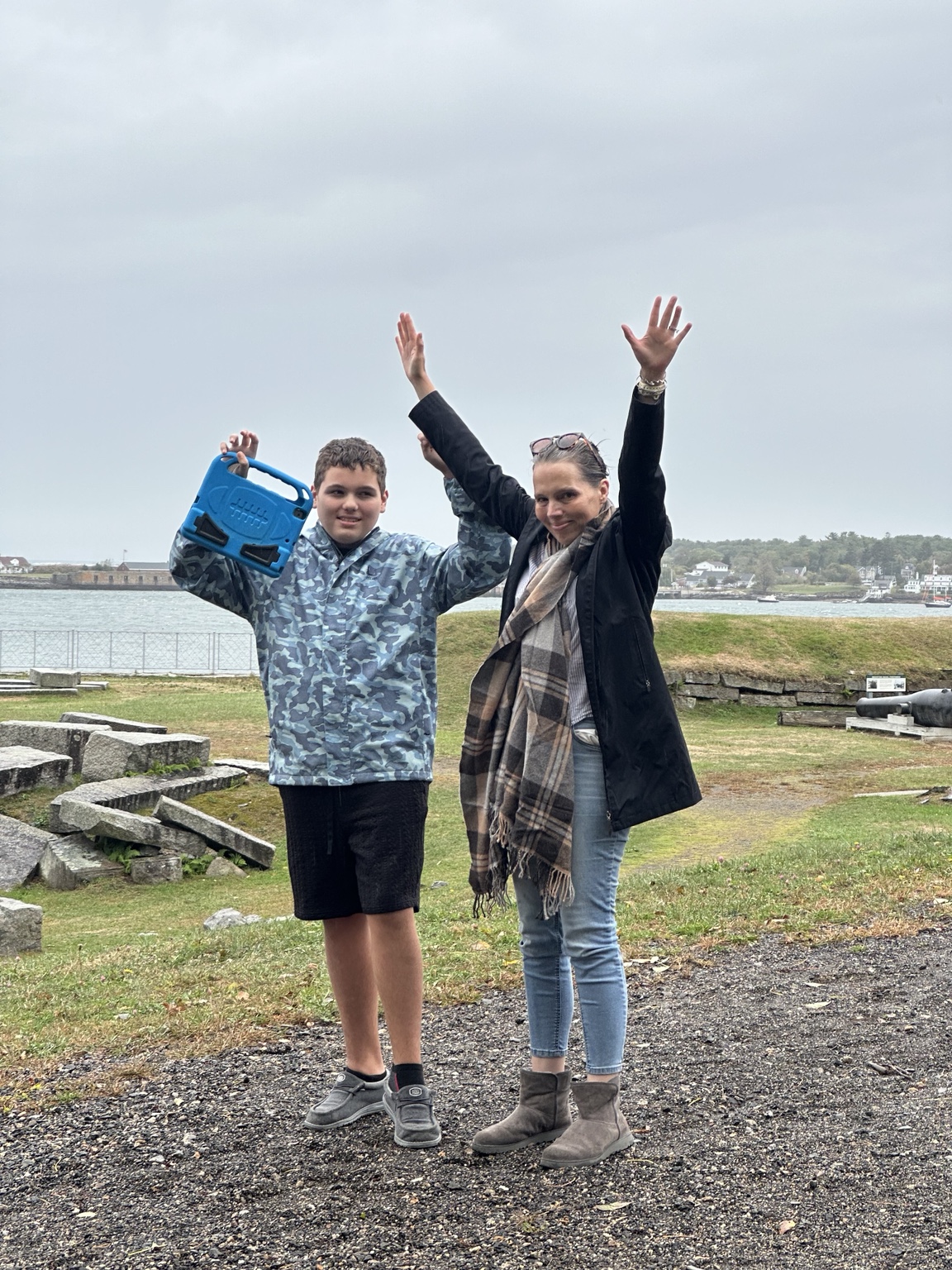
A reminder to be part of the family pictures you work so hard to keep.

Autumn water, familiar company, and room to slow down together.
These are starting points for shared time and practical support. Role names do not assign duties by gender, biology or household structure; you may find useful ideas in more than one.
Shared pleasures, a whole-job handoff and time that is not entirely taken up by coordination.
Breakfast, practical projects, a twenty-minute ball game and everyday responsibilities carried through.
A comfortable welcome, current interests and small traditions that can change with the person.
Ordinary sibling time, voluntary support, clear limits and a careful start to future planning.
Useful invitations, specific offers and an easy way to join the day without taking over.
Complete responsibilities, clearer transitions and arrangements that fit one home or two.
A clear start, real choices, professional boundaries and records the next person can use.
A prepared first visit, familiar activities, dependable coverage and a clear return.
Ask what sounds good today. Make the available options understandable, using the person’s familiar communication and support. A person may want company, help with one part, time nearby or space on their own.
The NJC Communication Bill of Rights affirms that people should be addressed directly, have meaningful choices and be able to express refusal. Keep those possibilities visible in the plan.
Being present does not automatically make somebody responsible for transport, personal care, money or supervision. Confirm what each supporter has agreed to do, and keep any required training, permissions and current instructions in place.
The caregiver handover covers choices, communication, current instructions, contacts and a clear transfer of responsibility. For an ordinary household task, use the smaller household handoff card. Share private information only with the people who need it, through an appropriate private channel.
Choose one small idea together and decide when it could fit. Afterwards, ask what to repeat and what to change. If the activity was not wanted, choose something else next time. Keep the person’s current support and safety arrangements with the plan.
Stories & useful next steps

Time for two, one lovely stop, and the practical museum details.

Find the New England application links and passenger-use guidance.
Real family days, favorite places, and small things worth noticing.