



In this story
Family field notes · Massachusetts · November 1, 2026
We Didn't Move Far. But We Changed Our Lives.
From Rhode Island to Massachusetts, through the aftermath of COVID, and into a larger world for our son with profound autism.
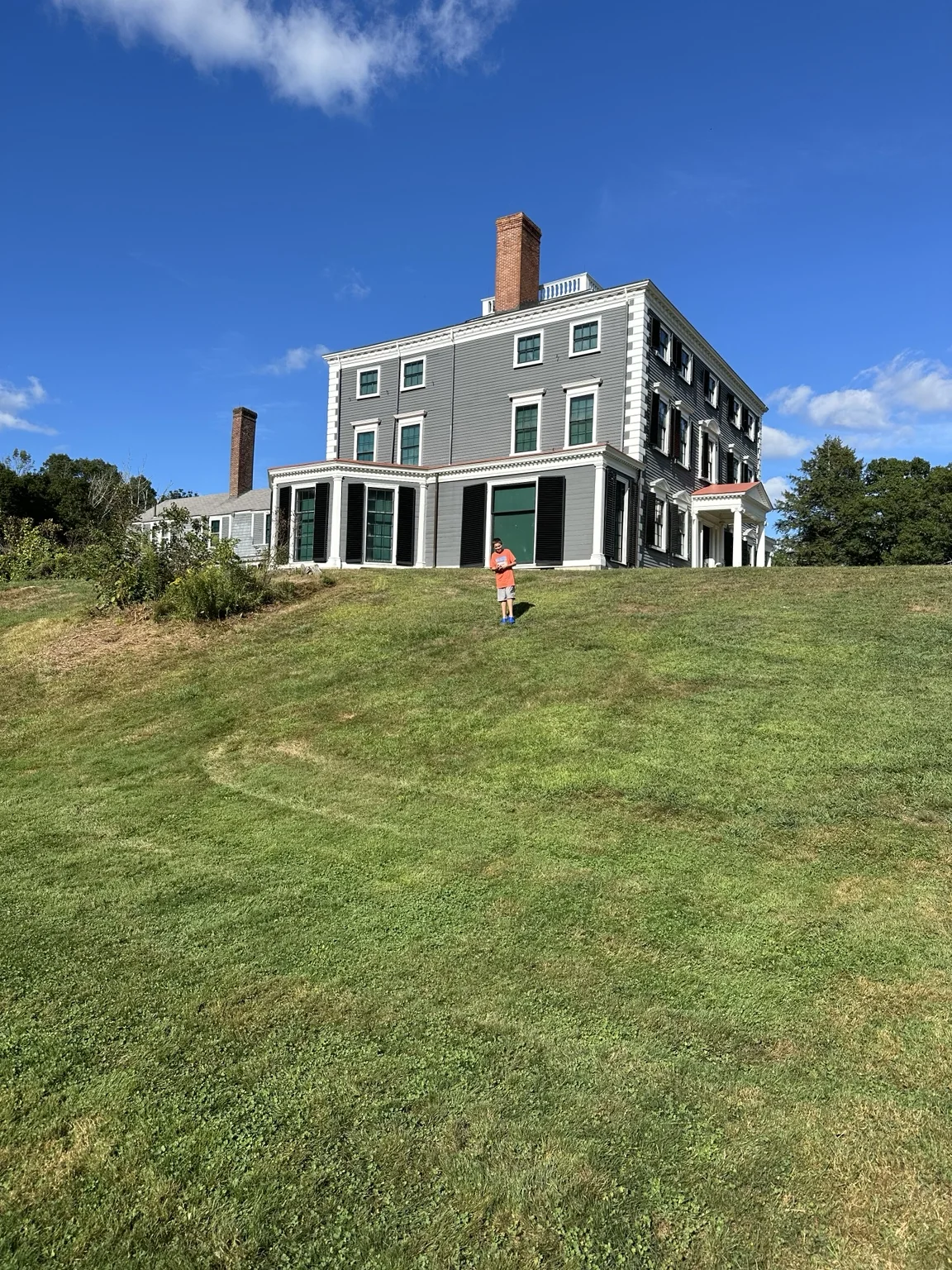
A few minutes from our home is a mansion we will never own, surrounded by gardens we will never have to maintain.
Massachusetts was always the someday plan
We loved Rhode Island. It was home: family, friends, familiar routines and the people who knew James. But Massachusetts had always been on our wish list. Someday, we thought, we might move closer to Boston, to its hospitals, museums, schools and historic landscapes. Someday, when the timing was right. Then COVID arrived. Schools closed. Therapies were interrupted. For a child with profound autism, those weren't minor disruptions to an otherwise ordinary schedule. They affected the structure around which much of family life was built. Even after buildings reopened, the effects did not vanish. In the intervening years, we found ourselves thinking more urgently about James's future. COVID didn't create our dream of Massachusetts. It changed how long we were willing to postpone it.
An hour away from everything familiar
We didn't cross the country. We moved from Rhode Island to Massachusetts. On a map, that sounds like very little. In practice, practically everyone and everything we knew was now more than an hour away. For a family with significant caregiving responsibilities, an hour can turn a spontaneous visit into a planned undertaking. We also accepted a smaller home, a higher cost of living and the expense of going from one car to two. This wasn't a clever financial shortcut. We were giving up some comforts to gain access to opportunities we believed would matter for James. We weren't looking for the biggest house we could own. We were trying to build a larger life.
A mansion we will never own
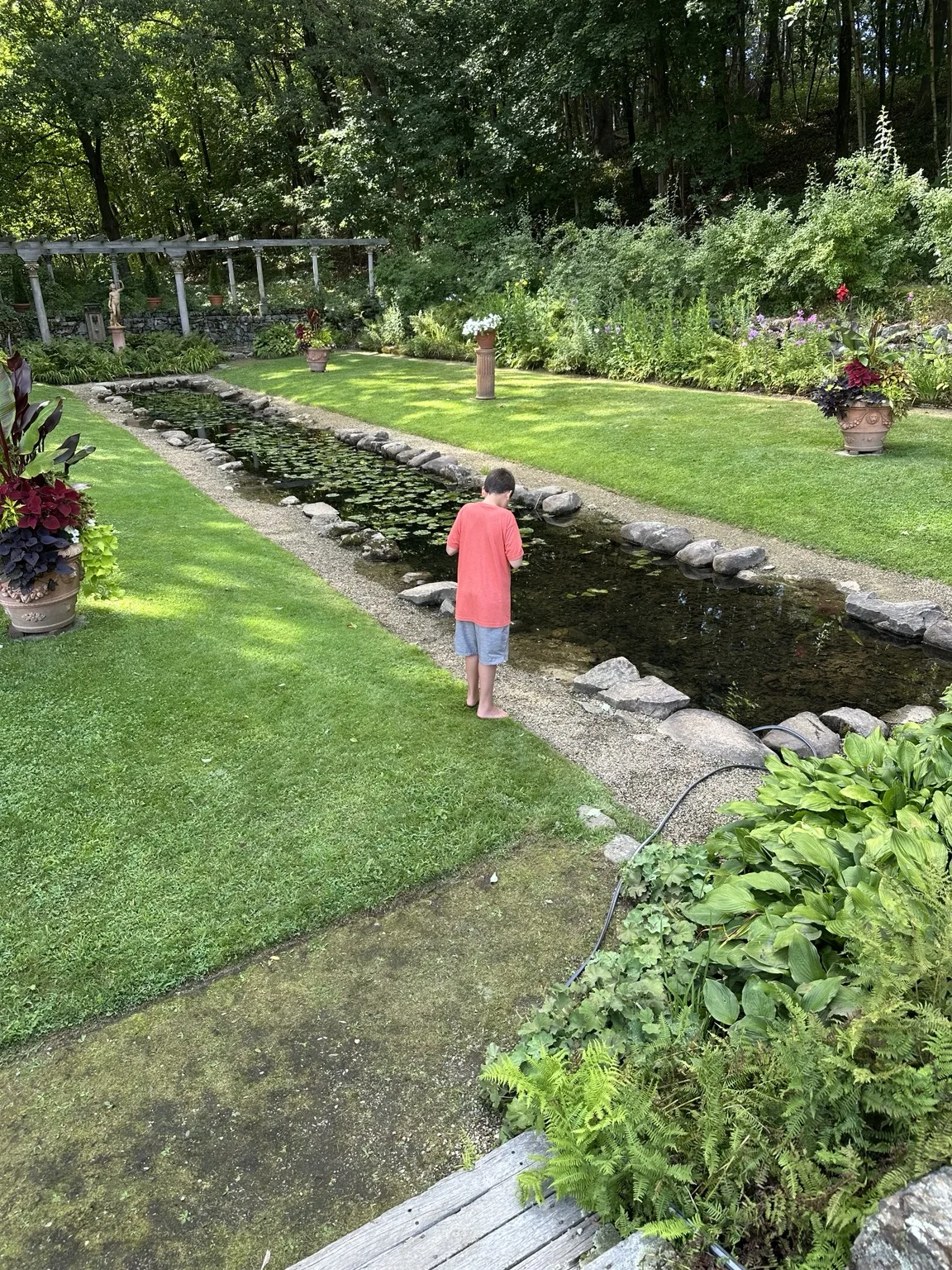
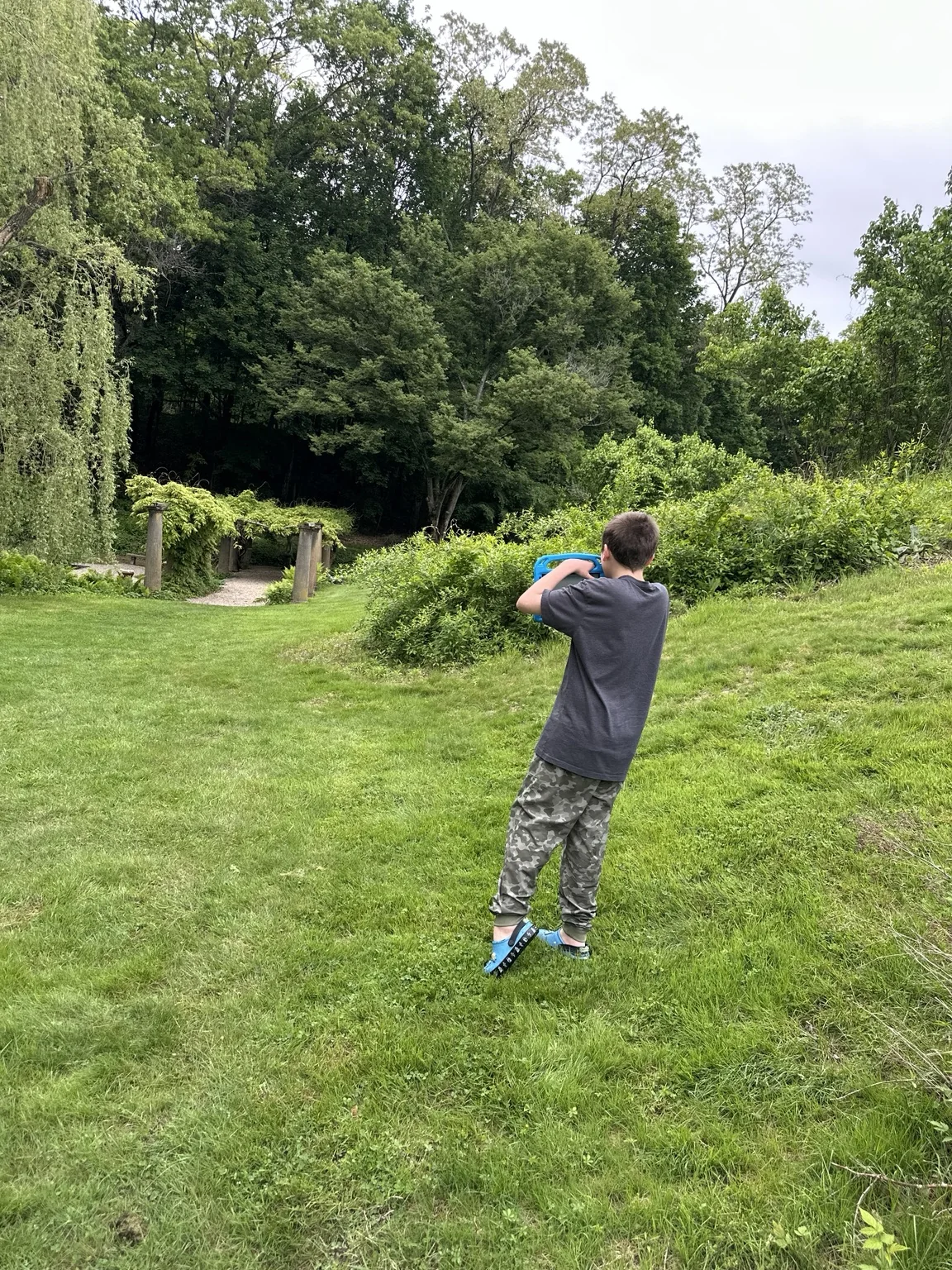
A few minutes from our home stands the Codman Estate, a grand eighteenth-century house overlooking lawns, old trees, a reflecting pool and a lovely Italian garden. James has visited again and again. We've watched him explore the grounds, study the water and photograph whatever catches his interest. Some afternoons last an hour. Some last much less. Either way, the outing counts. The grounds are free to visit during public access hours, while tours of the house are ticketed. We don't have to make a reservation or get our money's worth. If the day isn't working, we leave. If James wants to linger, we linger. That simple flexibility is a gift.
The estate that became a shared landscape
The house was built in the 1730s and 1740s, and the estate eventually grew into a working property of hundreds of acres. Its history includes the Codman family's prominence and Ogden Codman Jr.'s collaboration with Edith Wharton. It also includes histories that deserve to be told honestly: the land's Indigenous past and enslaved labor in the colonial period. After Dorothy Codman's death in 1968, the house and immediate grounds were left for preservation by what is now Historic New England. Other parts of the former estate became conservation land and community resources. The nearby paths connect to Lincoln's wider trail network, stewarded in part through the work of the Lincoln Land Conservation Trust. Once a landscape associated with private wealth, it now gives families like ours an inexpensive way to spend time together. Not every historic path is accessible to everyone, and that's worth acknowledging. But the principle of preserving these places for public enjoyment is a powerful one.
What public places give a family like ours
An outing with profound autism can require a surprising amount of calculation: waiting, transitions, sensory demands, communication, safety, and the possibility of needing to change plans immediately. A place can be marketed as family-friendly and still not work for your particular family. Codman asks very little of us. James can be interested in the same corner of a garden for as long as he likes. He can bring his device, take photographs or simply walk. We can return to something familiar without repeating an expensive admission fee. It is respite in the ordinary sense, not formal respite care: breathing room and a place where the day doesn't need to accomplish anything. We've found a similar pleasure in other family outings, from snowshoeing close to home to letting James set the pace at the beach.
A Commonwealth with a trailblazing streak
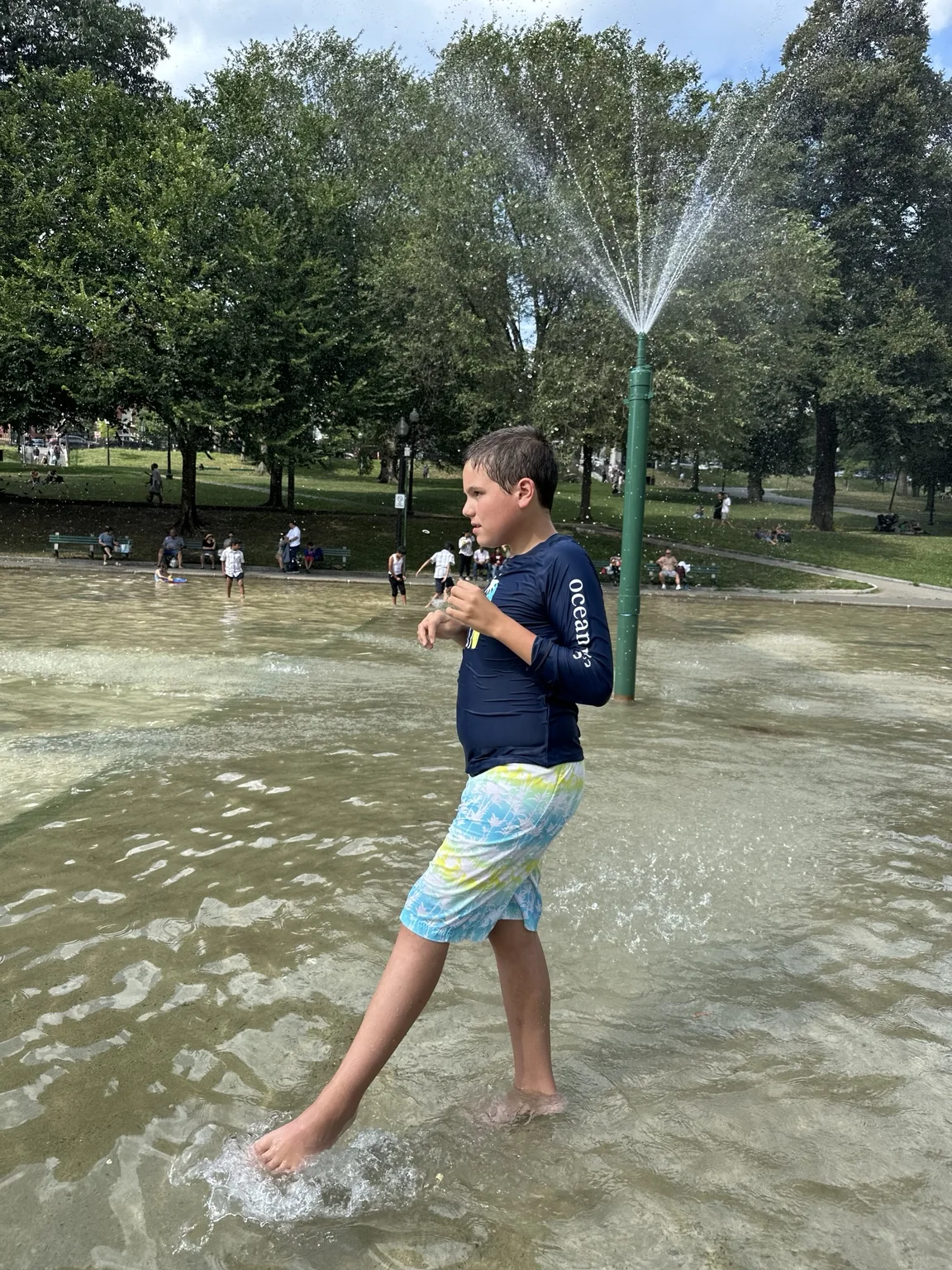
Massachusetts has a remarkable, if imperfect, history of setting things aside for the public. Boston Common dates to 1634. The Boston Public Library, founded in 1848, helped pioneer the free municipal library. The Trustees of Reservations, founded in 1891, helped shape the American land conservation movement. We have photographs of James enjoying the Frog Pond, centuries after Boston Common was established. It's a reminder that public places can keep giving to families long after their founders are gone. These histories are not uncomplicated stories of universal access. Still, they show what communities can choose to protect and share.
Another kind of pioneering
Massachusetts also helped advance educational and disability rights. Chapter 766, enacted in 1972, expanded educational rights for children with disabilities before the landmark federal special education law. In 2010, ARICA required many state-regulated insurance plans to cover medically necessary autism diagnosis and treatment. In March 2026, Governor Maura Healey signed Executive Order 656, launching work on a statewide strategy for adults with profound autism. It's a planning commitment, not a guarantee of services. Families will need to see what follows. With a gubernatorial election approaching, these lifelong needs deserve attention regardless of who holds office. Progress is never finished, and the gap between legal recognition and everyday support can still be enormous.
The life outside the appointments
Proximity to Emerson Hospital, Massachusetts General Hospital and the wider Greater Boston medical community mattered in our decision. So did educational opportunities. But the richness of a life isn't measured only by appointments, therapies or services. James deserves a childhood full of things that interest him, familiar places he can return to, and the freedom to have an ordinary good afternoon. That's what these photographs represent: a day at a historic estate, a visit to Boston, time outside, and moments that are his own. Massachusetts hasn't made profound autism less profound, and moving hasn't eliminated complicated days. It has given us more possibilities for the days between them.
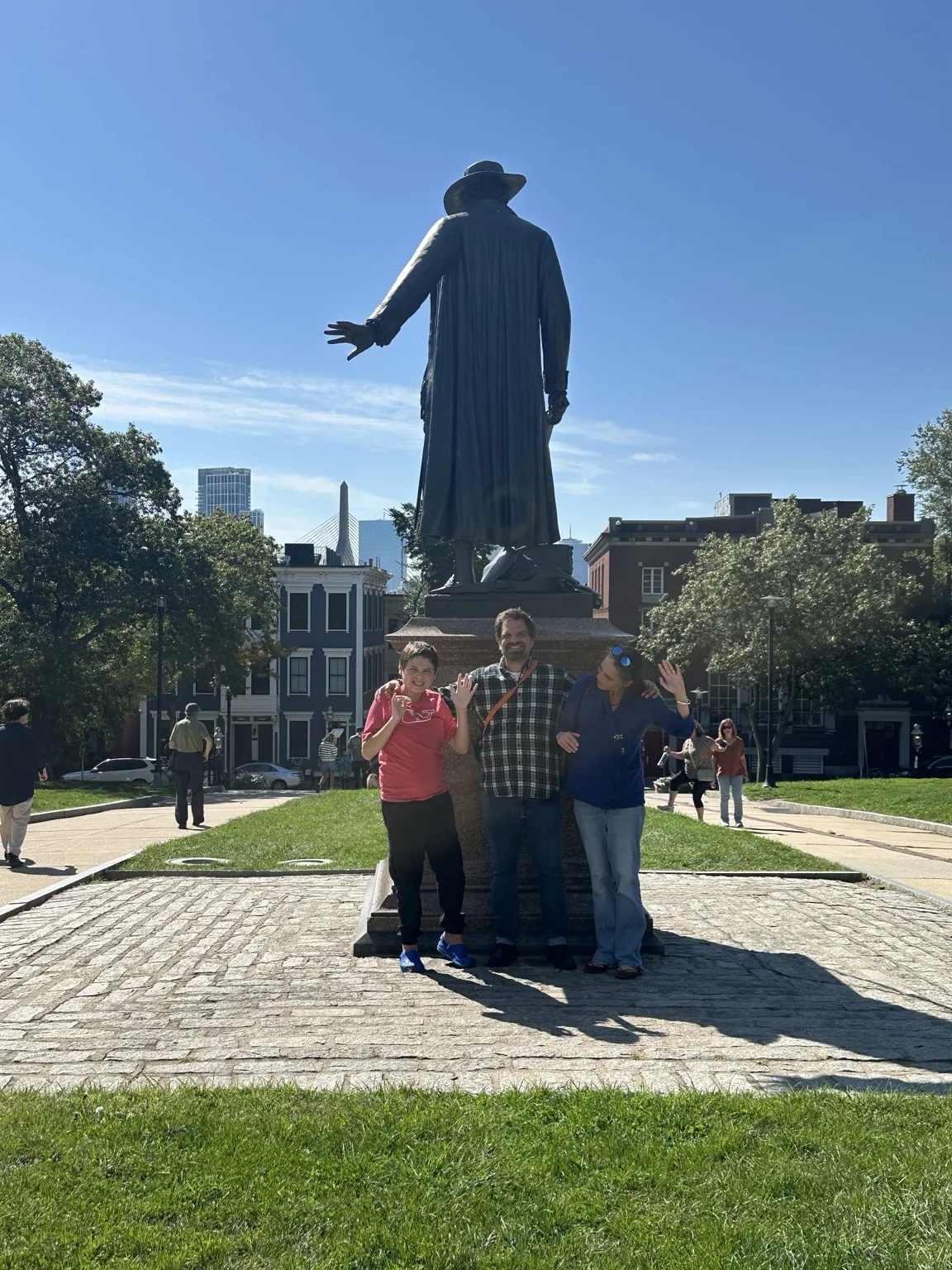
With a nod to Billy Bragg’s “A New England”, we weren’t leaving New England so much as looking for a different life within it.
What we inherited
I sometimes wonder what the people who preserved the Codman Estate would think of James exploring its gardens today. They couldn't have known our family. They couldn't have known we'd move from Rhode Island after the disruptions of COVID, leave our familiar network more than an hour away, take on an extra car and settle into a smaller home. But they left something we can use and enjoy. The conservationists who protected these landscapes and the advocates who expanded disability rights did very different work. Yet both raise a question worth asking: what will we leave for people we may never meet? Sometimes it's a garden, a trail, a library, an educational right or a better plan for adulthood. We came to Massachusetts hoping to give James a larger world. Some of its most beautiful parts were already waiting for him.
Stories & useful next steps
Keep exploring.
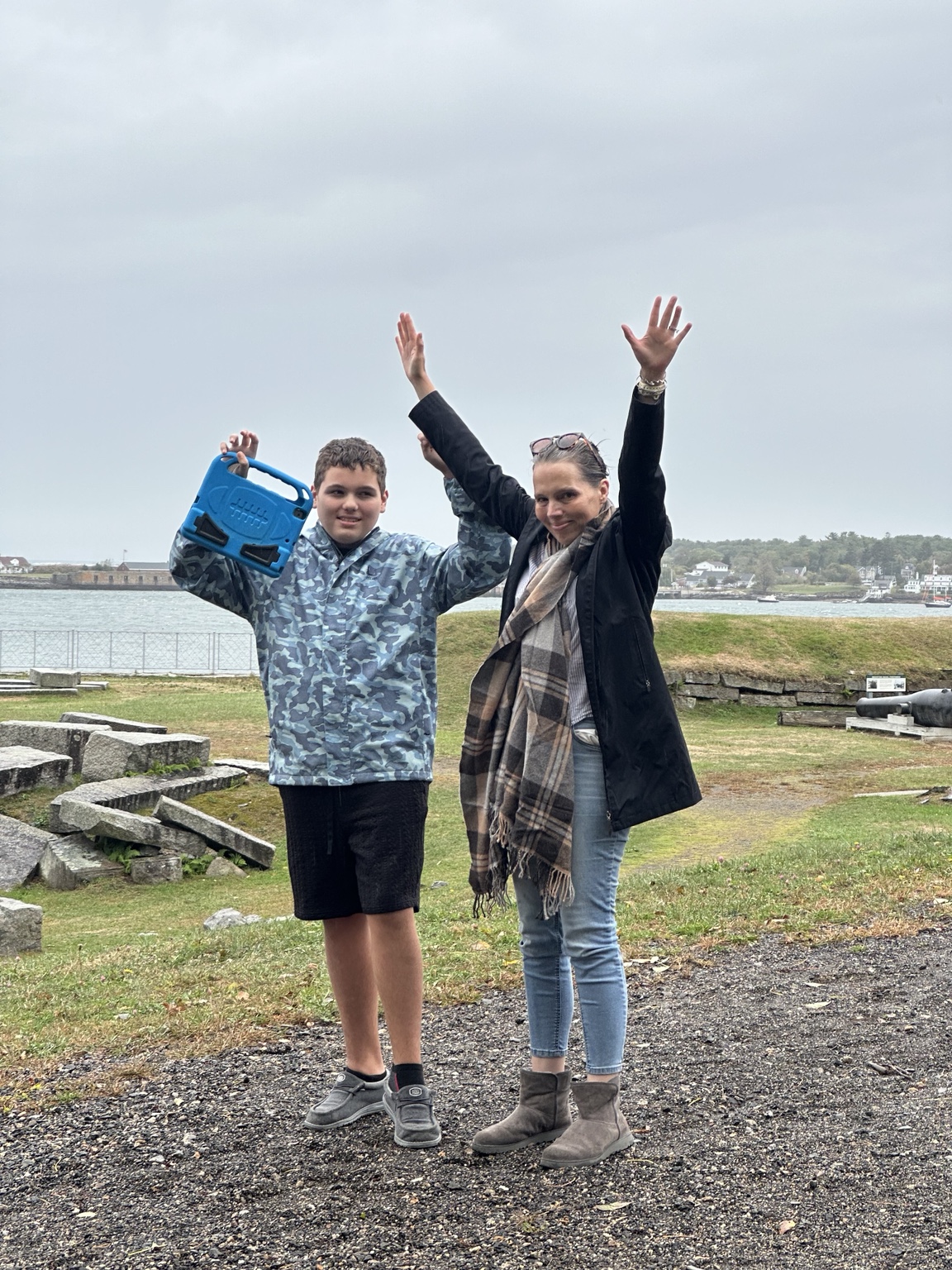
Get in the photograph.
A note on motherhood, family memories, and being in the picture.

Family & caregiver support
Find practical help, time for yourself, and ideas to enjoy together.
Find a place to go
Browse familiar stops, access notes and New England outing ideas.