
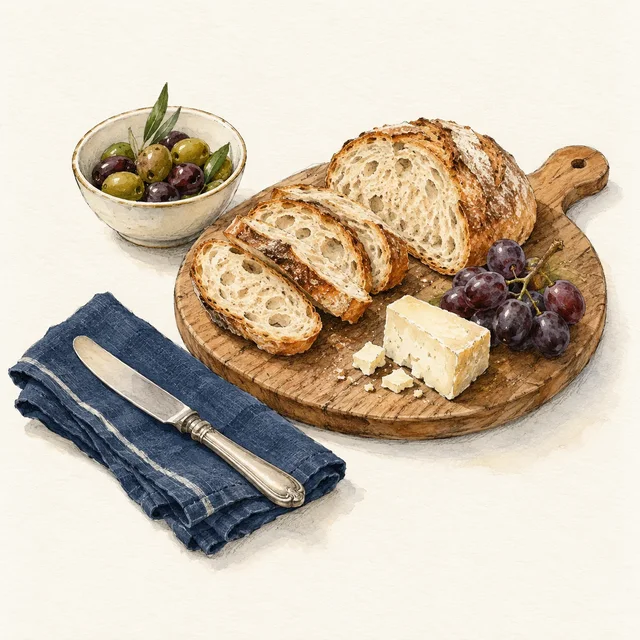
A holiday meal often arrives with a hidden assumption: everybody will sit down together, eat the same courses and remain at the table until the host is ready to finish. Real households have travel, work, support needs, personal preferences and energy that do not always follow the same timetable. It is possible to keep the celebration generous without asking every guest to fit one long sitting.
Begin with the part you care about most. It might be lunch together, a favorite dish, an exchange of gifts or half an hour with relatives you rarely see. Give that part a clear time. Let the rest of the visit have a little more room.
Publish an honest outline
“Come any time” sounds relaxed but can leave a guest unable to plan. Offer a few useful markers: arrivals from noon, lunch around one, coffee afterward and a natural finishing time. If someone will join only for dessert, tell them when dessert is actually likely to appear.
Ask privately what would help each guest take part. A comfortable seat, an earlier plate or a short visit may be easy to arrange when you know in advance. Do not promise an accommodation that relies on somebody else's room, equipment or labor without checking with them first.
Build a meal that can be served clearly
Choose dishes whose preparation and serving fit the equipment and people available. Check food-safety instructions for holding, reheating and storage rather than assuming a holiday spread can sit out indefinitely. Make a written serving plan if several dishes have different requirements.
Set a simple place for each guest who expects to eat, including someone who may take their meal at a different time. Familiar food can sit comfortably alongside seasonal food. Ask about dietary requirements without making a person's plate a group discussion.
A special meal does not need a new collection of serving pieces. Choose the dishes already in the cupboard and note which food belongs in each one. That small rehearsal can reveal a missing spoon or crowded table before the kitchen is busy.
Give the room more than one useful place
A dining chair, a comfortable nearby seat and a place to pause can all belong to the same gathering. If an alternative space is available, describe it plainly. Let a guest decide whether to use it. Do not label a seat or room with private information about a particular person.
Keep walking routes clear and consider how somebody will get up from the table. Put decorations where they can be enjoyed without taking the space needed for plates, communication equipment or assistance. A low bowl, a little color in the napkins and one seasonal detail are enough to make the table feel considered.
Share the work in complete pieces
“Help in the kitchen” can become another job to supervise. Offer a clear task with a finish: put water on the table, take coats to the agreed place or pack the serving dishes away after they are washed and dry. Ask before assigning a guest a role, particularly if that person is already providing support.
Likewise, make departure easy. Have coats and bags reachable. A person leaving early should not need a round of explanations or an impromptu group photograph to get out the door.
Keep the invitation larger than the schedule
When plans change, name the new arrangement without turning it into a verdict on the day. Some people may share the meal; others may share the conversation afterward. A guest can contribute by choosing music, bringing a familiar dish, making a place card or simply being there.
These are editorial hosting suggestions, grounded in our person-centered approach to family life. No single version suits every household. The useful test is whether the people invited can find a comfortable way into the celebration, with their preferences and privacy intact.
Sources & editorial notes
Reviewed October 2026. General planning information; individual circumstances and current policies can differ.